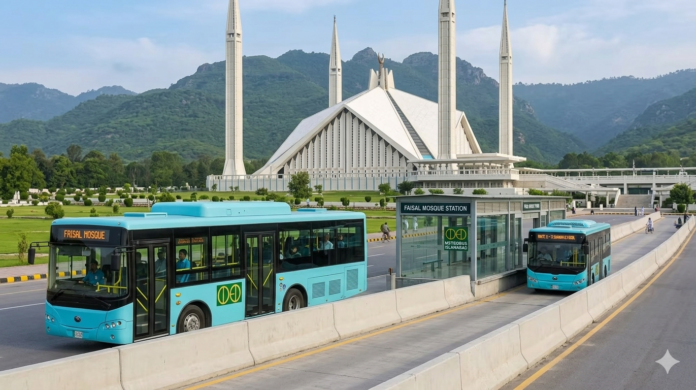

NHA CLARIFIES NO TOLL EXEMPTION FOR CDA ELECTRIC BUSES
The National Highway Authority (NHA) has officially clarified that electric buses operated by the Capital Development Authority (CDA) are not eligible for toll tax exemptions under the current policy framework. The statement came following questions raised in the National Assembly regarding the status of electric vehicle toll relief. Authorities emphasized that while the buses are allowed to operate on inter-city routes, they must comply with all existing toll regulations applicable to other vehicles.
This clarification establishes that CDA electric buses, despite being environmentally friendly and part of a new energy initiative, are required to pay toll charges at designated plazas along national highways. The NHA confirmed that toll exemptions are limited to specific categories such as armed forces vehicles, ambulances, fire brigades, police, and selected government vehicles.
CURRENT ROUTES AND OPERATIONS OF CDA ELECTRIC BUSES
CDA electric buses are currently operating on key inter-city routes, including the N-5 from 26 No. Chungi to Taxila. These buses have been deployed to enhance public transport, reduce emissions, and promote sustainable travel options in the capital and surrounding areas. Approximately 160 buses are actively serving passengers along these routes, providing a modern, eco-friendly alternative to traditional diesel or petrol vehicles.
Despite their contribution to green mobility, the NHA reiterated that these buses do not qualify for toll exemptions under existing contractual agreements and policy guidelines. All operators, regardless of vehicle type, are required to adhere to toll collection rules.
LIMITATIONS OF CURRENT TOLL POLICY
The toll exemption issue arises from the scope of the existing policy framework. Toll exemptions are narrowly defined and currently limited to vehicles fulfilling specific public service or government functions. Electric vehicles, including those operated by CDA, are not included in the current exemptions.
Officials explained that the New Energy Vehicle Policy 2025–2030, which encourages the use of electric vehicles and provides certain benefits, was approved after the existing toll contracts for fiscal year 2025–26 had been finalized. These contracts were awarded through competitive bidding processes and do not contain provisions for waiving tolls for electric vehicles.
GOVERNMENT RESPONSE AND OFFICIAL CLARIFICATION
In a written reply to the National Assembly, the Federal Minister for Communications stated that CDA buses are allowed to operate freely on their routes but are obligated to pay toll charges at all applicable plazas. The minister also highlighted that any future consideration for exemptions would require revisions to contracts and policies, which must be conducted within the legal and procedural framework.
The NHA stressed that any deviation from the established toll rules could affect existing contracts and operational agreements. This explanation confirms that, under the current regulatory environment, CDA buses must meet the same toll requirements as conventional vehicles.
MEETING BETWEEN NHA AND CDA OFFICIALS
The toll exemption request was formally discussed in a meeting between NHA and CDA officials on January 28, 2026. During this session, CDA representatives highlighted the electric buses’ contribution to reducing pollution and promoting clean energy transport. They sought relief from toll charges at key plazas to support operational efficiency and reduce costs associated with running the fleet.
However, NHA officials pointed out that the current toll agreements for FY2025–26 do not include any provision for exemptions related to electric vehicles. The contracts were finalized prior to the approval of the New Energy Vehicle Policy, meaning that any waiver would require renegotiation and amendments to existing agreements.
IMPLICATIONS FOR CDA AND ELECTRIC VEHICLE OPERATORS
The denial of toll exemptions has financial and operational implications for CDA’s electric bus fleet. Operators will need to budget for toll costs as part of their overall operational expenditure, which may influence route planning, ticket pricing, and service expansion. While the electric buses provide significant environmental and social benefits, compliance with toll regulations remains mandatory under current law.
The decision also highlights a broader challenge faced by electric vehicle operators nationwide, as policy incentives may not immediately translate into exemptions under previously signed contracts. Authorities emphasize that proper alignment between EV policies and operational agreements is crucial for the success of clean energy initiatives.
FUTURE OUTLOOK FOR POLICY AND TOLL RELIEF
Looking forward, CDA and other stakeholders may explore options to integrate toll relief provisions into future contracts or policy amendments. Any such changes would require a formal process, including competitive bidding updates, contract revisions, and approval from relevant authorities.
Meanwhile, the NHA continues to enforce current toll regulations without exceptions for electric buses. The agency maintains that consistent application of toll rules ensures fairness, protects revenue streams, and upholds contractual obligations with private operators and service providers.
CONCLUSION: ELECTRIC BUSES MUST PAY TOLLS UNDER CURRENT POLICY
In conclusion, the NHA has clarified that CDA electric buses are not exempt from toll taxes under existing agreements and policies. While the buses represent a step forward in sustainable transport, they are required to comply with the same toll regulations as all other vehicles operating on national highways. Future exemptions or policy changes will require careful alignment with contracts and legal frameworks to ensure consistency and compliance.
This ruling underscores the importance of integrating new energy policies with operational realities, highlighting the need for strategic planning to support electric vehicle adoption while maintaining regulatory and financial obligations.
Read More
Court Backs Cantonment Boards’ Authority to Levy Property Tax on All Residents