
Government Accelerates Plans for Digital Fuel Subsidy System
The government is moving closer to launching a nationwide discounted petrol application aimed at supporting low-income individuals amid rising fuel prices and ongoing economic pressures. This initiative represents a significant shift toward digital welfare distribution, ensuring that subsidies reach the intended beneficiaries in a transparent and efficient manner. The mobile application, developed to streamline the process, is currently in its testing phase and is expected to be rolled out across the country soon.
With fuel prices placing increasing strain on household budgets, especially for daily commuters, the introduction of a targeted subsidy mechanism is being seen as a timely and necessary intervention. The system is designed to reduce the financial burden on vulnerable segments of society while maintaining overall market stability.
Targeting Low-Income Groups and Small Vehicle Owners
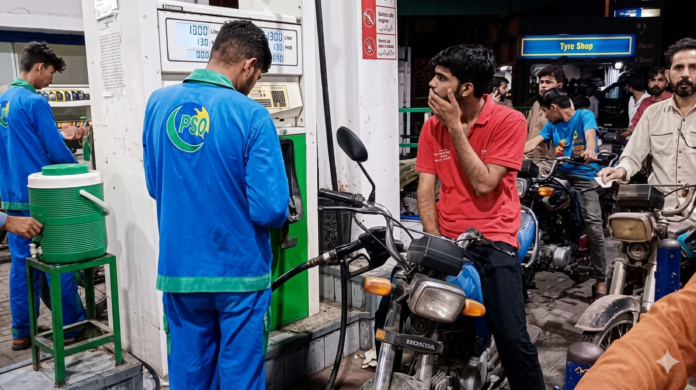
The proposed subsidy program is primarily focused on individuals who rely on motorcycles and rickshaws for their daily transportation needs. These groups are among the most affected by rising fuel costs, as their livelihoods often depend on affordable mobility. By prioritizing two- and three-wheeler owners, the government aims to deliver relief where it is needed most.
Authorities are considering a monthly petrol quota of up to 20 litres for motorcycle users, which could significantly reduce monthly fuel expenses. While discussions are ongoing regarding whether vehicles up to 800cc will be included, the current focus remains on smaller, more commonly used vehicles among low-income populations.
At the same time, the broader policy framework indicates that consumers outside the subsidy program will continue to bear the impact of fluctuating global oil prices. This approach allows the government to balance fiscal responsibility with targeted social support.
Digital Verification and Voucher-Based Distribution
A key feature of the discounted petrol app is its reliance on digital verification to ensure fair and transparent distribution of subsidies. Eligible users will receive fuel vouchers directly through the mobile application, which they must present at designated petrol stations to access discounted fuel.
The system will link each user’s quota to their vehicle registration number and national identity credentials. This integration is intended to eliminate duplication, prevent misuse, and ensure that subsidies are only accessed by verified individuals. Users will not be able to exceed their allocated monthly quota, adding another layer of accountability to the process.
Separate interfaces are being designed within the application to cater to both consumers and fuel station operators. This dual-interface approach is expected to simplify operations and reduce the chances of technical or operational errors during transactions.
Infrastructure Readiness at Petrol Stations
To support the rollout of the program, extensive preparations are being made at petrol stations across the country. Around 12,000 fuel pumps are expected to participate in the initiative, with each station allocating specific nozzles exclusively for subsidized petrol distribution.
Additionally, each participating petrol pump will be equipped with dedicated mobile devices to run the application. These devices will facilitate real-time verification of vouchers and ensure that fuel is dispensed accurately according to the system’s guidelines.
Oil marketing companies will play a crucial role in this phase by providing the necessary hardware and ensuring that stations are fully equipped to handle the digital system. This coordinated effort is essential for the smooth implementation of the program on a national scale.
Training and Awareness for Smooth Implementation
Recognizing the importance of user familiarity with the new system, the government is placing strong emphasis on training and awareness. Instructional videos will be displayed at petrol stations and integrated into the mobile application to guide both consumers and staff on how to use the platform effectively.
These resources are expected to minimize confusion, reduce errors, and ensure a seamless experience for all users. By making the system easy to understand and operate, authorities aim to encourage widespread adoption and build trust among beneficiaries.
Monitoring, Support, and Emergency Backup Systems
To maintain efficiency and address potential issues, a comprehensive 24-hour monitoring system is being planned. This system will oversee operations, handle complaints, and ensure that any disruptions are resolved promptly. Continuous monitoring will also help authorities identify and address loopholes in the system.
In addition to real-time support, a backup mechanism is being developed to ensure uninterrupted fuel supply during emergencies. This contingency planning is crucial in maintaining public confidence and ensuring that the subsidy program remains reliable even under challenging conditions.
A Step Toward Transparent and Targeted Subsidies
The discounted petrol app represents a major step toward modernizing subsidy distribution through technology. By leveraging digital tools, the government aims to eliminate inefficiencies, reduce leakages, and ensure that financial support reaches those who truly need it.
This initiative also reflects a broader shift toward data-driven governance, where policies are implemented with precision and accountability. If executed successfully, the program could serve as a model for future subsidy schemes in other sectors.
As the nationwide rollout approaches, expectations are high that the discounted petrol app will provide meaningful relief to millions while setting a new standard for transparency and efficiency in public welfare programs.
Read More