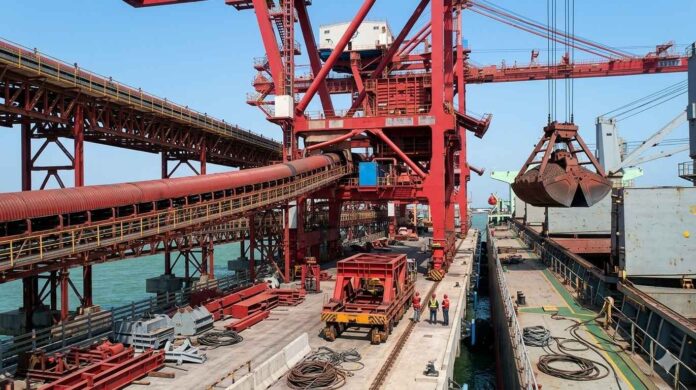

Pakistan’s major seaports continued to demonstrate strong operational performance despite rising geopolitical tensions around the Strait of Hormuz. In a single day, the country’s ports collectively handled 179,335 metric tons of cargo, reflecting stable maritime activity and uninterrupted trade flows even amid global uncertainty.
The consistent movement of cargo highlights the resilience of Pakistan’s port infrastructure and its ability to manage high volumes of imports and exports under challenging international conditions. Despite concerns linked to regional tensions, shipping operations remained largely steady, ensuring the continuous supply of essential goods and raw materials.
Karachi Port Leads Cargo Operations
Karachi Port remained the busiest hub, processing a significant portion of the total cargo volume. In the last 24 hours, the port handled 142,182 metric tons of cargo, making it the primary contributor to overall maritime activity in the country.
The high volume of operations at Karachi Port reflects its central role in Pakistan’s trade and logistics network. As the country’s largest and most active port, it manages a diverse range of cargo, including containerized goods, bulk commodities, and industrial raw materials.
Despite external pressures in global shipping routes, Karachi Port maintained efficient operations, ensuring minimal disruption to trade activities.
Port Qasim Maintains Steady Performance
Port Qasim also played a key role in supporting national cargo movement, handling 37,153 metric tons of cargo during the same period. The port continued to facilitate a wide range of shipments, contributing to overall trade stability.
Port Qasim’s operations included both bulk and industrial cargo, with a strong focus on energy-related imports and raw materials. Its performance reflects the importance of having multiple active ports to distribute cargo load and maintain efficiency across the maritime sector.
The steady activity at Port Qasim underscores its growing significance in Pakistan’s import and export framework.
Coal Imports Dominate Port Activity
A major portion of cargo activity at Port Qasim was driven by coal shipments. Several vessels carrying large quantities of coal arrived from countries including Mozambique, Indonesia, and South Africa.
In total, coal shipments exceeding 270,000 metric tons were part of ongoing operations, highlighting the continued reliance on imported coal for energy and industrial use.
These shipments play a crucial role in supporting power generation and cement production, both of which are key sectors of Pakistan’s economy. The steady flow of coal imports ensures that industrial operations remain uninterrupted.
Strong Fuel and Energy Cargo Movement
Energy-related cargo also formed a significant part of port activity. A vessel carrying 57,300 metric tons of motor gasoline was successfully handled at a major fuel terminal, reflecting ongoing demand for petroleum products in the country.
In addition, a tanker carrying 40,000 metric tons of high sulfur fuel oil remained at anchorage, awaiting further processing and discharge operations. These fuel shipments are essential for meeting domestic energy requirements across transportation, industry, and power generation sectors.
Furthermore, an additional shipment of 73,000 metric tons of crude oil is expected to arrive at Karachi Port, further strengthening the country’s energy supply chain.
Container Cargo Shows Strong Trade Activity
Containerized cargo also recorded significant movement, with Karachi Port handling 80,622 metric tons of container shipments. This category includes both imports and exports, covering a wide range of consumer goods, industrial products, and commercial materials.
The strong container activity indicates healthy trade flows and sustained demand for imported goods. It also reflects the importance of Pakistan’s ports in facilitating international trade and supporting economic activity across multiple sectors.
Efficient container handling is critical for maintaining supply chain stability, and current figures suggest that port operations are functioning effectively despite external pressures.
Export Shipments Continue Steady Flow
Export activity remained consistent, with several key commodities processed through port facilities. Among the major exports were 32,912 metric tons of cement clinker and 1,557 metric tons of rice.
These exports highlight Pakistan’s role in supplying construction materials and agricultural products to international markets. Cement clinker, in particular, remains an important export commodity supporting the construction industry in various regions.
Grain loading operations also continued at multiple berths, further contributing to export volumes and ensuring steady outbound trade activity.
Import of Raw Materials Supports Industry
On the import side, significant volumes of raw materials were handled to support domestic industries. One of the key imports included 10,350 metric tons of rock phosphate, which is widely used in fertilizer production.
Additionally, 69,300 metric tons of soybean seed were processed at Port Qasim, supporting the agriculture and food processing sectors. These imports are essential for maintaining production levels and meeting domestic demand.
The steady flow of raw materials ensures that local industries can continue operating without disruptions, contributing to overall economic stability.
Anchorage Activity Reflects Strong Port Demand
Several vessels remained anchored and waiting for berthing, indicating sustained pressure on port capacity due to high cargo volumes. This situation is common during periods of strong trade activity, where incoming shipments exceed immediate handling capacity.
Despite these challenges, port operations continued efficiently, with coordinated efforts to manage vessel movement and cargo discharge schedules. The presence of multiple waiting vessels also reflects strong import demand across various sectors.
Impact of Regional Tensions on Maritime Trade
The ongoing tensions around the Strait of Hormuz have raised concerns in global shipping markets due to the strategic importance of the waterway. However, Pakistan’s ports have continued to operate without major disruptions.
This stability is important for maintaining supply chains, particularly for energy imports and industrial raw materials. The uninterrupted flow of cargo demonstrates the resilience of Pakistan’s maritime infrastructure in the face of external uncertainties.
Importance of Port Infrastructure in Economic Stability
Ports play a vital role in supporting Pakistan’s economy by facilitating trade, ensuring energy supply, and enabling industrial growth. Efficient port operations are essential for maintaining economic stability and supporting national development goals.
The recent cargo handling figures highlight the importance of investing in port infrastructure, logistics efficiency, and operational capacity. As trade volumes continue to grow, the role of ports will become even more critical.
Outlook for Maritime Trade Activity
Looking ahead, maritime trade activity is expected to remain strong, driven by consistent import demand and export growth. Energy shipments, industrial raw materials, and consumer goods will continue to dominate port operations.
While geopolitical uncertainties may influence global shipping routes, Pakistan’s ports are expected to maintain steady performance through efficient management and strategic planning.
Sustained investment in port infrastructure and logistics systems will be key to supporting future growth and ensuring smooth trade flows.
Conclusion
Pakistan’s ports have demonstrated strong operational resilience by handling 179,335 metric tons of cargo in a single day despite rising tensions around the Strait of Hormuz. With Karachi Port and Port Qasim managing a diverse range of shipments including coal, fuel, containers, and raw materials, the country’s maritime sector continues to play a crucial role in economic stability.
The steady flow of imports and exports reflects robust trade activity and highlights the importance of efficient port management. As global conditions remain uncertain, Pakistan’s ability to maintain uninterrupted port operations underscores the strength of its trade infrastructure and its significance in regional and international commerce.
Read More
Iran FM Contacts Asim Munir and Ishaq Dar Amid Escalating US Conflict