
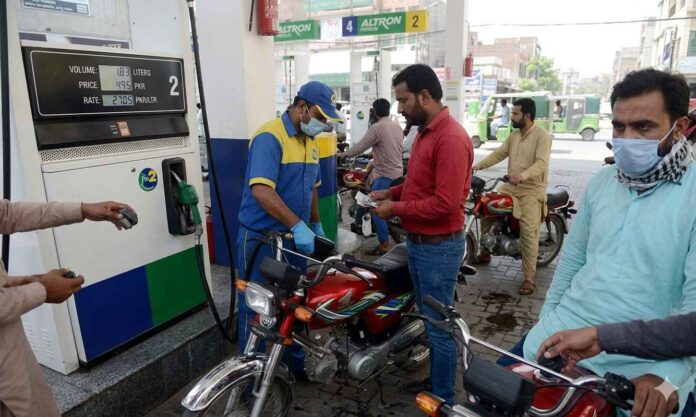

The federal government has once again increased fuel prices in a move that is expected to add further pressure on households and businesses across Pakistan. The latest decision involves a significant upward revision in the prices of both petrol and diesel, effective immediately for the upcoming weekly pricing period. This increase comes at a time when consumers are already struggling with rising inflation and increased living costs.
According to official approval, the government has raised the price of petrol and diesel by Rs. 26.77 per litre each. As a result of this adjustment, petrol will now be priced at Rs. 393.35 per litre, while high-speed diesel will be set at Rs. 380.19 per litre. The revised rates are applicable for the next seven days, reflecting the government’s ongoing weekly fuel pricing mechanism.
Immediate Implementation of New Fuel Prices
Officials have confirmed that the new fuel prices will take effect immediately from Saturday, April 25. This means that consumers purchasing petrol or diesel from the start of the new pricing cycle will be paying the revised higher rates without any delay.
The rapid implementation highlights the urgency with which the government is adjusting fuel prices in response to economic and fiscal conditions. The weekly revision system ensures that changes in international oil markets and domestic financial requirements are quickly reflected in retail prices.
For consumers, however, this also means frequent fluctuations in fuel costs, making it difficult for households and businesses to plan their monthly budgets effectively.
Breakdown of the Latest Price Increase
The latest revision represents a uniform increase for both petrol and diesel, with each fuel type becoming Rs. 26.77 per litre more expensive. This equal adjustment reflects a broader pricing strategy that aligns domestic fuel rates with international market trends and internal fiscal requirements.
With the new prices in effect, petrol now stands at Rs. 393.35 per litre. Diesel, which is widely used in transportation, agriculture, and industrial sectors, has reached Rs. 380.19 per litre.
These levels mark a significant increase compared to previous weeks and continue the trend of volatility in fuel pricing observed over recent months.
Previous Week’s Price Adjustment and Contrast
In the previous pricing cycle, the government had taken a different approach by reducing the price of diesel while keeping petrol rates unchanged. At that time, diesel prices were reduced by Rs. 32.12 per litre, bringing them down to Rs. 353.43 per litre, while petrol remained stable at Rs. 366.58 per litre.
This earlier reduction had provided some temporary relief, particularly for sectors heavily dependent on diesel fuel, such as transportation and agriculture. However, the latest increase has more than reversed those gains, pushing prices to even higher levels than before.
The contrast between the two consecutive pricing cycles highlights the unpredictable nature of fuel pricing in the current economic environment.
Why Fuel Prices Are Frequently Changing
Fuel prices in Pakistan are reviewed on a regular basis, typically every week, based on international oil prices, exchange rate movements, and domestic fiscal requirements. This system is designed to ensure that local fuel prices remain aligned with global market conditions while also addressing the government’s revenue needs.
However, this mechanism also results in frequent fluctuations, which can create uncertainty for consumers. When global oil prices rise, domestic prices tend to increase as well. Similarly, currency depreciation can further amplify the impact on local fuel costs.
In addition to international factors, domestic taxation and levy adjustments also play a significant role in determining final fuel prices. These fiscal tools are often used to meet budgetary targets and manage economic pressures.
Impact on Households and Daily Life
The latest increase in petrol and diesel prices is expected to have a direct impact on household budgets across the country. Fuel is a key component of transportation costs, which in turn affects the price of essential goods and services.
As transportation costs rise, the prices of food items, household goods, and other essentials are likely to increase as well. This creates a ripple effect that contributes to overall inflation, reducing purchasing power for ordinary citizens.
For many households, particularly those in lower and middle-income groups, rising fuel costs can significantly strain monthly budgets. Increased commuting expenses, higher utility costs, and more expensive goods all add to financial pressure.
Effect on Transportation and Logistics Sector
The transportation sector is among the most affected by changes in fuel prices. Both public and private transport operators rely heavily on petrol and diesel to operate their vehicles. When fuel prices increase, transport fares often rise as well to offset higher operating costs.
Freight and logistics companies also face increased expenses, particularly due to diesel price hikes. These costs are typically passed on to consumers in the form of higher prices for goods, contributing further to inflation.
Long-distance transportation, intercity travel, and goods delivery services are all expected to experience cost increases following the latest fuel price adjustment.
Impact on Agriculture and Industry
Diesel plays a crucial role in Pakistan’s agricultural sector, where it is used to power machinery, irrigation systems, and transportation of goods. A rise in diesel prices directly increases the cost of agricultural production.
Farmers may face higher expenses for operating tractors, tube wells, and other equipment, which can ultimately lead to increased food prices in the market. This creates a chain reaction that affects both producers and consumers.
Similarly, industrial sectors that rely on fuel for manufacturing and logistics may experience higher production costs. These increased costs can reduce competitiveness and slow down economic activity in certain sectors.
Government’s Fiscal and Economic Considerations
The government’s decision to adjust fuel prices is closely linked to broader fiscal and economic considerations. Fuel pricing is one of the key tools used to manage budget deficits and generate revenue.
By adjusting fuel prices, the government can align domestic pricing with international trends while also ensuring that fiscal targets are met. This is particularly important in the context of economic challenges and external financial commitments.
However, balancing revenue generation with public affordability remains a significant challenge. Frequent price increases can lead to public dissatisfaction and increased economic pressure on households.
Public Response and Economic Concerns
Fuel price increases often generate strong reactions from the public, as they directly affect daily life. Consumers are particularly sensitive to changes in petrol and diesel prices due to their widespread impact on transportation and essential goods.
Business owners also express concern, as rising fuel costs can reduce profit margins and increase operational challenges. Small businesses are especially vulnerable, as they have limited capacity to absorb additional expenses.
Overall, the repeated increases in fuel prices contribute to a growing sense of economic uncertainty among the population.
Inflationary Pressure in the Economy
Fuel prices are one of the most important drivers of inflation in Pakistan. When petrol and diesel prices increase, transportation and production costs rise, leading to higher prices for goods and services across the economy.
This inflationary pressure can reduce consumer spending and slow down economic growth. It also makes it more difficult for households to manage essential expenses such as food, education, and healthcare.
Persistent fuel price increases can therefore have long-term implications for economic stability and social well-being.
Global Oil Market Influence
International oil prices play a major role in determining domestic fuel costs. Fluctuations in global markets, driven by supply and demand dynamics, geopolitical events, and production decisions by major oil-producing countries, directly affect import costs.
When global prices rise, countries that rely on imported oil, such as Pakistan, face increased pressure to adjust domestic prices accordingly. Exchange rate movements further amplify these effects, as a weaker local currency increases the cost of imports.
These external factors make fuel pricing highly sensitive and often unpredictable.
Short-Term Outlook for Fuel Prices
In the short term, fuel prices are likely to remain volatile, influenced by both international market trends and domestic economic conditions. Weekly revisions mean that prices can change frequently, depending on global oil movements and policy decisions.
While temporary reductions are possible if international prices decline, the overall trend will depend on broader economic and fiscal strategies. Consumers should expect continued fluctuations in fuel costs in the coming weeks.
Conclusion
The latest decision by the federal government to raise petrol and diesel prices once again highlights the ongoing challenges in managing fuel costs amid economic pressures. With petrol now at Rs. 393.35 per litre and diesel at Rs. 380.19 per litre, consumers are facing increased financial strain at a time when inflation remains a major concern.
The impact of these price hikes will be felt across all sectors of the economy, from households and transporters to farmers and industries. As fuel remains a critical component of economic activity, any change in its price has widespread consequences.
Going forward, balancing fiscal needs with public affordability will remain a key challenge for policymakers as they navigate both domestic and global economic pressures.
Read More
Pakistan Plans to Shut 70 Government Bank Accounts to Release Rs. 300 Billion


