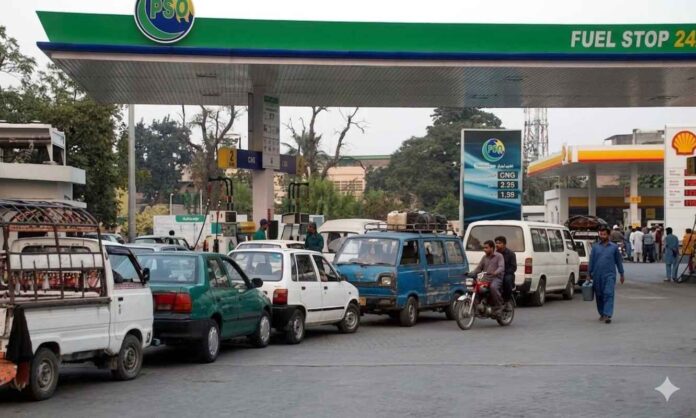

Pakistan is expected to witness a significant surge in government revenue from petrol and diesel sales during May 2026, as recent fuel price adjustments and taxation policies come into effect. The latest increase in fuel prices, combined with substantial levies and duties, is projected to generate massive monthly collections, highlighting the critical role of petroleum taxation in the country’s fiscal framework.
The expected revenue surge comes at a time when fuel prices are hovering close to historic highs, placing additional financial pressure on consumers while simultaneously boosting government income. This dual impact underscores the complex relationship between energy pricing, taxation, and economic management.
Fuel Price Adjustments Drive Revenue Growth
Recent increases in petrol and diesel prices have played a central role in boosting expected government revenue. Petrol prices have been raised by over six rupees per litre, while diesel prices have seen a much sharper increase of nearly twenty rupees per litre.
These adjustments have pushed fuel prices to levels just below four hundred rupees per litre, marking a significant milestone in the country’s energy pricing landscape. Such high price levels naturally translate into increased tax collection, as many levies and duties are applied on a per-litre basis.
The upward revision in prices reflects broader trends in global oil markets, domestic fiscal requirements, and policy decisions aimed at revenue generation.
Understanding the Tax Structure on Fuel
Fuel prices in Pakistan include multiple layers of taxation, making petroleum products one of the largest sources of indirect revenue for the government. The overall cost of petrol and diesel is not limited to the base price but includes various taxes, duties, and levies.
For petrol, the total tax component is estimated to be around one hundred and twenty rupees per litre, while diesel carries a tax burden of approximately sixty rupees per litre. These figures include petroleum levies, customs duties, and other charges that contribute significantly to government income.
The structure of fuel taxation means that even small increases in consumption or price can lead to substantial increases in revenue, making it a key tool for fiscal management.
Projected Monthly Revenue Reaches New Highs
Based on current pricing and consumption patterns, total revenue from fuel-related taxes is expected to reach approximately one hundred and eighty billion rupees in a single month. This figure highlights the scale of dependence on petroleum taxation as a source of government income.
Such high levels of revenue are made possible by the combination of elevated fuel prices and consistent demand for petroleum products. Despite rising costs, fuel remains an essential commodity, ensuring a steady stream of income for the government.
This projected revenue represents a significant contribution to the national budget, helping to support various expenditures and financial commitments.
Changes in Petroleum Levy and Their Impact
Recent adjustments in petroleum levies have further influenced revenue projections. While the levy on petrol has been slightly reduced, a substantial increase has been applied to diesel.
The introduction of a higher levy on diesel has a particularly strong impact on revenue, as diesel is widely used in transportation, agriculture, and industrial activities. This makes it a major contributor to overall fuel consumption and, consequently, tax collection.
The shift in levy structure reflects a strategic approach to balancing revenue needs while managing the impact on different segments of the economy.
Burden on Consumers and Economic Implications
While the increase in fuel-related revenue is beneficial for government finances, it comes at a cost for consumers. Higher fuel prices directly affect transportation costs, which in turn influence the prices of goods and services across the economy.
This creates a ripple effect, contributing to inflation and reducing purchasing power for households. As fuel costs rise, businesses may pass on the additional expenses to consumers, further amplifying the impact.
The overall effect is a tightening of financial conditions for both individuals and businesses, highlighting the trade-offs involved in revenue generation through fuel taxation.
Role of Diesel in Revenue Generation
Diesel plays a particularly important role in the country’s economic and revenue structure. It is widely used in commercial transportation, agriculture, and power generation, making it a critical component of economic activity.
The higher levy on diesel not only boosts revenue but also affects key sectors that rely on it. Increased diesel costs can lead to higher prices for agricultural products and transportation services, impacting both producers and consumers.
This interconnectedness underscores the importance of carefully managing fuel pricing policies to balance revenue generation with economic stability.
Government Spending and Allocation of Funds
The significant revenue generated from fuel sales raises important questions about how these funds are utilized. Fuel-related taxes contribute to the overall budget and are used to finance a wide range of government expenditures.
These include infrastructure development, public services, and various development projects. However, concerns have been raised about the prioritization of spending and the allocation of resources.
Ensuring that revenue is used effectively and transparently is essential for maintaining public trust and achieving long-term economic goals.
Fiscal Strategy and Dependence on Indirect Taxes
The reliance on fuel taxation highlights a broader trend in fiscal policy, where indirect taxes play a significant role in revenue generation. While these taxes are relatively easy to collect, they can have regressive effects, disproportionately impacting lower-income groups.
Balancing the need for revenue with considerations of fairness and equity is a key challenge for policymakers. Diversifying revenue sources and improving tax efficiency can help reduce dependence on fuel-related income.
Impact on Inflation and Cost of Living
Rising fuel prices are a major driver of inflation, as they affect the cost of transportation, production, and distribution. The recent increases are likely to contribute to higher inflation rates, further increasing the cost of living.
For households, this means higher expenses for essential goods and services, reducing disposable income and overall financial well-being. Managing inflation while maintaining fiscal stability is a complex task that requires coordinated policy measures.
Public Perception and Economic Sentiment
The perception of fuel price increases and associated taxation plays an important role in shaping public sentiment. Frequent price adjustments can lead to uncertainty and dissatisfaction, particularly when they are perceived as placing an undue burden on consumers.
Transparent communication and clear justification for policy decisions can help address these concerns and build public confidence. Engaging with stakeholders and considering the impact on different segments of society is also important for effective policymaking.
Future Outlook for Fuel Pricing and Revenue
The outlook for fuel pricing and revenue will depend on a range of factors, including global oil prices, exchange rates, and domestic policy decisions. While current projections indicate strong revenue generation, future trends may vary based on changing economic conditions.
Efforts to promote alternative energy sources and reduce reliance on fossil fuels could also influence long-term revenue patterns. As the energy landscape evolves, the role of petroleum taxation may need to be reassessed.
Conclusion
The expected surge in government revenue from petrol and diesel sales in May 2026 highlights the significant role of fuel taxation in Pakistan’s fiscal framework. While the projected collection of around one hundred and eighty billion rupees provides a substantial boost to government finances, it also underscores the challenges associated with rising fuel prices.
Balancing revenue generation with economic stability and consumer welfare remains a critical priority. As the country navigates these challenges, the focus will be on implementing policies that support sustainable growth while addressing the needs of the population.
The developments in fuel pricing and revenue serve as a reminder of the complex interplay between energy policy, economic management, and public welfare, shaping the direction of the country’s economic future.
Read More
100,000 Govt Employees to Receive Electric Bikes with Rs. 80,000 Subsidy