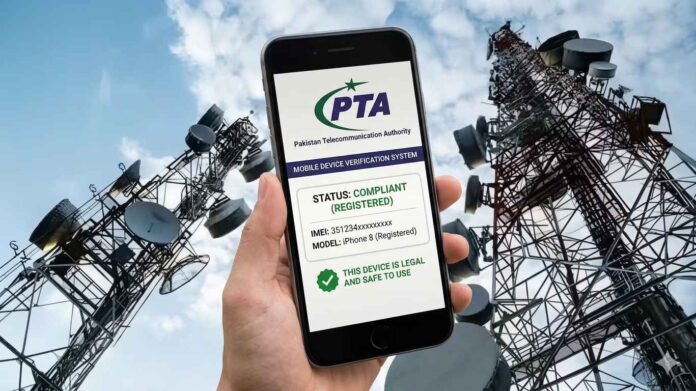

Government Considers Major Relief in PTA Mobile Phone Taxes
The federal government is seriously evaluating proposals aimed at reducing PTA mobile phone taxes for overseas Pakistanis, a move that could provide significant relief to millions of Pakistanis living abroad who frequently bring smartphones into the country during visits.
The issue was highlighted during a Senate session where government officials acknowledged the growing concerns of overseas Pakistanis regarding the high taxes imposed on imported mobile phones. Authorities confirmed that the matter is currently under active consideration as part of wider discussions on tax reforms and economic facilitation measures.
The proposed relief is expected to become part of broader efforts to rationalize duties and taxes on imported mobile phones in the upcoming federal budget. Policymakers believe that easing the burden on overseas Pakistanis could improve public satisfaction, encourage legal device registration, and strengthen engagement with the Pakistani diaspora.
Overseas Pakistanis Continue to Raise Concerns Over PTA Taxes
Overseas Pakistanis have repeatedly expressed frustration over the high taxes charged for registering mobile phones brought from abroad. During multiple overseas conventions and public forums, members of the Pakistani diaspora have urged the government to reconsider the existing taxation structure.
Many overseas Pakistanis argue that the current system places an unnecessary financial burden on individuals who already contribute significantly to the national economy through remittances and investments.
According to government officials, the issue has become one of the most commonly raised concerns among overseas communities visiting Pakistan.
At present, mobile phones brought into Pakistan from abroad remain operational for only a limited period before network services are suspended unless the required taxes and registration fees are paid.
This temporary activation system has become a major source of inconvenience for travelers, particularly for those visiting Pakistan for short durations.
PTA Mobile Registration System Under Public Scrutiny
Pakistan’s mobile device registration framework was originally introduced to discourage illegal phone smuggling and improve documentation of imported devices. Authorities sought to ensure that only legally imported and tax-paid mobile phones could operate permanently on local networks.
While the system has succeeded in improving device documentation and reducing some forms of illegal trade, critics argue that the associated taxes have become excessively high, especially for premium smartphones.
Many consumers believe that current duties often exceed reasonable levels and discourage legal registration.
The issue is even more significant for overseas Pakistanis who may already own devices legally purchased abroad and are required to pay substantial taxes simply to continue using them during visits to Pakistan.
Public criticism of the tax regime has intensified in recent years as smartphone prices continue rising globally.
Different Tax Rates Apply to Different Phone Models
One of the key issues highlighted during Senate discussions was the wide variation in tax rates applied to different mobile phone models.
Current PTA registration charges are based on device value, specifications, and import categories. Premium smartphones often attract significantly higher taxes compared to lower-end models.
As a result, consumers bringing flagship devices into Pakistan may face registration costs amounting to tens or even hundreds of thousands of rupees.
Critics argue that such high taxation discourages legal registration and creates financial difficulties for ordinary users.
Government officials acknowledged these concerns and confirmed that rationalization of the tax structure is now being examined as part of policy discussions.
Authorities are reportedly reviewing whether tax rates can be adjusted to create a more balanced and consumer-friendly framework.
Possible Relief Measures Under Consideration
While no final decision has yet been announced, several possible relief measures are believed to be under discussion within government circles.
These may include reduced tax rates for overseas Pakistanis, temporary exemptions for short-term visitors, revised valuation mechanisms, or simplified registration procedures.
Some policymakers are also reportedly considering whether overseas Pakistanis should receive special concessions in recognition of their economic contributions through remittances.
Pakistan receives billions of dollars annually in remittances sent by overseas workers, making the diaspora one of the country’s most important economic pillars.
Officials believe offering targeted facilitation measures could help strengthen ties with overseas communities and encourage greater engagement with Pakistan’s economy.
Mobile Phone Taxes Have Become a Major Public Issue
Taxes on imported mobile phones have become a highly debated issue across Pakistan in recent years.
Consumers frequently complain that the combined impact of customs duties, sales tax, regulatory duties, and PTA registration charges has made smartphones significantly more expensive.
The issue affects not only overseas Pakistanis but also local consumers purchasing imported devices within the domestic market.
As smartphones become increasingly essential for communication, business, banking, education, and digital services, many citizens argue that access to mobile technology should not be burdened by excessive taxation.
Technology experts believe high taxes can also slow digital adoption and limit access to modern communication tools.
The government now faces growing pressure to strike a balance between revenue generation and affordability.
Federal Budget Discussions Bring New Hope
The possibility of tax relief has gained momentum following discussions related to the upcoming federal budget for 2026-27.
The National Assembly Standing Committee on Finance has reportedly directed relevant authorities to examine rationalization of duties and taxes on imported mobile phones.
This has raised expectations among consumers and overseas Pakistanis that some form of relief may be included in the next budget announcement.
Economic policymakers are reviewing multiple taxation areas as part of broader fiscal planning and budget preparation.
Analysts believe the government may attempt to introduce targeted reforms aimed at improving public perception while maintaining revenue collection goals.
The final decision is likely to depend on fiscal constraints, revenue projections, and broader economic priorities.
Overseas Pakistanis Play Critical Economic Role
Pakistan’s overseas community remains one of the country’s most valuable economic assets.
Millions of Pakistanis working abroad send remittances back home every year, supporting families, boosting foreign exchange reserves, and contributing to economic stability.
The government has repeatedly acknowledged the importance of overseas Pakistanis and introduced various initiatives aimed at improving services and engagement.
However, many overseas citizens continue to complain about administrative hurdles, taxation issues, and regulatory challenges faced during visits to Pakistan.
Mobile phone registration taxes have become one of the most visible and frequently criticized issues.
Authorities now appear increasingly aware that addressing such concerns could help improve relations with the overseas community.
Digital Connectivity Becoming Increasingly Essential
Smartphones are no longer luxury items but essential tools for daily life, communication, online banking, business operations, navigation, education, and digital payments.
High taxation on imported mobile devices can affect digital inclusion and limit access to technology for many consumers.
Experts argue that affordable smartphone access is particularly important as Pakistan continues expanding digital governance systems and online public services.
Overseas Pakistanis visiting the country often rely heavily on their phones for banking apps, communication platforms, travel arrangements, and business coordination.
Interruptions in device functionality due to registration issues can create serious inconvenience, especially during short visits.
This has strengthened demands for more flexible and traveler-friendly registration policies.
Smuggling Concerns Continue to Influence Policy
Despite public criticism of high taxes, authorities remain cautious due to concerns regarding mobile phone smuggling and tax evasion.
The original purpose of the device registration system was to curb illegal imports and improve documentation within the telecom sector.
Officials fear that significant reductions in taxes without proper controls could encourage unauthorized trade and revenue losses.
As a result, policymakers are attempting to design reforms that provide relief while maintaining oversight and market regulation.
Technology analysts suggest that moderate tax reductions combined with simpler registration systems may improve compliance and increase legal registrations over time.
Consumers Hope for Affordable Registration Policies
Many consumers and overseas Pakistanis are hopeful that upcoming reforms will make mobile phone registration more affordable and practical.
Public demand for relief has grown stronger as smartphone prices rise globally and currency depreciation increases import costs within Pakistan.
Social media platforms and online forums are filled with complaints regarding PTA taxes, with users frequently comparing Pakistan’s rates to those in other countries.
Critics argue that current taxes disproportionately affect middle-class consumers and discourage access to modern technology.
The possibility of tax rationalization has therefore generated significant public interest ahead of the federal budget announcement.
Telecom Sector Closely Monitoring Policy Developments
Pakistan’s telecom and technology sectors are closely monitoring ongoing discussions regarding mobile phone taxation policies.
Industry experts believe more balanced tax rates could stimulate smartphone imports, increase legal registrations, and support growth in digital services.
The telecom industry continues expanding mobile internet coverage, digital payment systems, and online services across Pakistan.
Affordable smartphones are considered essential for sustaining this digital growth.
Analysts note that excessive taxation may slow adoption of advanced mobile technologies and reduce consumer purchasing power.
Authorities are therefore under pressure to adopt policies that encourage digital connectivity while protecting government revenues.
Economic Pressures Shape Government Decisions
The government’s approach to mobile phone taxation is also influenced by broader economic conditions.
Pakistan continues facing fiscal challenges, external financing pressures, and the need to maintain tax revenues.
Import-related taxes remain an important source of government income, making policymakers cautious about large-scale reductions.
However, officials also recognize the political and economic importance of addressing concerns raised by overseas Pakistanis and consumers.
The final policy outcome may involve targeted relief measures rather than across-the-board tax cuts.
Experts believe a balanced solution could help improve public satisfaction without significantly affecting revenue collection.
Potential Reforms Could Improve Public Sentiment
If the government introduces meaningful relief in PTA taxes, the move could receive strong public support both domestically and internationally.
Overseas Pakistanis, in particular, may view such reforms as a positive step toward recognizing their contributions to the national economy.
Simplifying registration processes and reducing excessive duties could also improve Pakistan’s image among global Pakistani communities.
The government is increasingly focusing on initiatives aimed at strengthening engagement with overseas citizens and encouraging greater economic participation.
Mobile phone tax reforms may become part of that broader strategy.
Pakistan Awaits Final Decision on PTA Tax Relief
As budget preparations continue, consumers and overseas Pakistanis are eagerly awaiting the government’s final decision regarding PTA mobile phone taxes.
The issue has evolved into a major public debate involving technology access, taxation policy, digital inclusion, and overseas engagement.
Authorities appear aware of the growing demand for reform and the importance of finding a balanced solution.
Whether through reduced duties, temporary exemptions, or revised registration policies, any meaningful relief could significantly benefit overseas Pakistanis and smartphone users across the country.
The coming federal budget may ultimately determine whether the government moves forward with one of the most anticipated consumer relief measures in recent years.
Read More
Pakistan Rejects LNG Market Offers as It Seeks More Affordable Qatari Supply