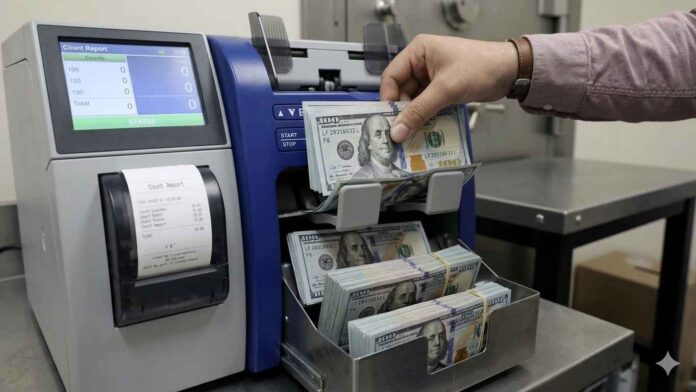

Pakistan may be preparing one of its most significant foreign exchange and taxation reforms in recent years as the government reviews proposals aimed at encouraging larger inflows of foreign currency through formal banking channels. The measures under consideration could dramatically change how overseas funds enter the country and potentially unlock billions of dollars in additional foreign exchange inflows every year.
As policymakers work on the upcoming federal budget, discussions have intensified around easing restrictions related to foreign currency remittances and transfers. The objective is to encourage overseas Pakistanis, foreign investors, and individuals holding assets abroad to move more funds into the formal financial system while strengthening Pakistan’s external account position.
The proposed reforms could have far-reaching implications for remittances, foreign exchange reserves, investment activity, banking sector liquidity, and overall economic growth. Supporters of the proposal argue that making it easier to transfer foreign currency into Pakistan could help attract substantial capital that currently remains outside the formal economy.
If approved, the changes may represent a major shift in the country’s approach toward foreign currency inflows and taxation policy.
Government Reviewing Major Changes to Foreign Currency Rules
The government is reportedly evaluating different options to facilitate larger inflows of foreign currency into Pakistan through legal and documented banking channels.
At the center of the discussions is a proposal to revise existing tax provisions that currently govern the treatment of foreign currency remittances and transfers.
The current framework provides certain protections against tax scrutiny for foreign exchange received through authorized banking channels, but only up to a specified threshold. Policymakers are now considering whether these limits should be increased substantially or removed altogether.
The proposed reforms are part of broader efforts to strengthen Pakistan’s foreign exchange position, improve financial sector liquidity, encourage investment, and increase confidence among overseas Pakistanis and international investors.
Economic managers believe that easier movement of foreign currency into the country could provide valuable support at a time when external financing requirements remain elevated and foreign exchange inflows are increasingly important for economic stability.
Why Foreign Currency Inflows Matter for Pakistan
Foreign currency inflows play a critical role in Pakistan’s economy.
The country relies heavily on remittances, exports, foreign direct investment, external financing, and other foreign exchange sources to support imports, service external debt obligations, and maintain adequate foreign exchange reserves.
Whenever foreign currency inflows increase, pressure on the exchange rate typically decreases, helping stabilize the local currency and improve confidence in the economy.
Strong foreign exchange inflows also support the banking sector by increasing liquidity and improving the availability of foreign currency within the financial system.
For policymakers, attracting additional foreign exchange has become a key economic priority because it can strengthen the country’s ability to meet external payment obligations while supporting long-term economic growth.
The latest proposals are therefore being viewed as part of a broader strategy aimed at encouraging greater participation in the formal economy and increasing the volume of foreign funds entering Pakistan through regulated channels.
Potential Removal of Existing Transfer Limits
One of the most significant proposals currently under review involves removing existing limits that apply to foreign currency transfers received through banking channels.
Under the current framework, certain protections from tax scrutiny are available only up to a specific threshold within a tax year.
Authorities are now considering eliminating this cap entirely, provided that financial institutions and regulators can verify the legitimacy of both the sender and recipient involved in the transaction.
Supporters argue that removing the ceiling could encourage individuals holding substantial assets abroad to transfer larger amounts of money into Pakistan without concerns about unnecessary tax inquiries.
The proposal is also intended to encourage greater use of formal banking channels instead of informal transfer mechanisms that often operate outside regulatory oversight.
By channeling more funds through the banking system, authorities hope to improve transparency while simultaneously increasing official foreign exchange inflows.
Alternative Proposal Focuses on Raising the Threshold
In addition to removing limits entirely, policymakers are also evaluating a less aggressive alternative.
This option would involve significantly increasing the existing threshold rather than abolishing it altogether.
Supporters of this approach argue that the current limit was introduced many years ago and no longer reflects present-day economic realities.
Inflation, currency depreciation, and changes in global financial conditions have substantially reduced the practical value of the existing threshold over time.
A higher limit could provide meaningful relief for overseas Pakistanis and investors while maintaining some level of oversight within the system.
Many economists believe adjusting outdated thresholds would better align tax policy with current economic conditions and improve incentives for foreign currency transfers through formal channels.
Overseas Pakistanis Could Play a Major Role
Overseas Pakistanis remain one of the country’s most important sources of foreign exchange.
Millions of Pakistanis living abroad regularly send money home to support families, invest in property, finance businesses, and contribute to the broader economy.
Annual remittance inflows consistently represent one of Pakistan’s largest sources of foreign currency and often exceed foreign direct investment inflows by a significant margin.
The proposed reforms are expected to particularly benefit overseas Pakistanis who maintain assets, savings, or investment portfolios abroad.
Supporters argue that reducing regulatory concerns and simplifying transfer procedures could encourage larger volumes of funds to move through official banking channels.
This could potentially strengthen the connection between overseas Pakistanis and Pakistan’s formal financial system while creating additional investment opportunities within the country.
Potential Impact on Foreign Exchange Reserves
One of the strongest arguments in favor of the proposed reforms is their potential impact on Pakistan’s foreign exchange reserves.
Higher inflows of foreign currency through banks could improve reserve levels and strengthen the country’s external financial position.
Foreign exchange reserves are closely watched by investors, lenders, international financial institutions, and credit rating agencies because they provide an important measure of economic stability.
Stronger reserve levels improve a country’s ability to manage external obligations, stabilize currency markets, and absorb economic shocks.
If the proposed reforms successfully attract significant foreign currency inflows, they could contribute positively to reserve accumulation and reduce external financing pressures.
This would be particularly important for Pakistan as it continues efforts to strengthen macroeconomic stability and improve investor confidence.
Boosting Formal Remittance Channels
A major objective of the proposed reforms is to encourage greater use of formal remittance and banking channels.
Despite substantial progress in recent years, some foreign currency transfers still occur through informal mechanisms that operate outside the regulated financial system.
Authorities have long sought to increase the share of remittances flowing through banks and licensed financial institutions because formal channels provide greater transparency, accountability, and regulatory oversight.
Expanding incentives for documented foreign currency transfers could further accelerate this trend.
Greater reliance on formal channels would not only improve foreign exchange statistics but also strengthen the financial sector by increasing banking activity and deposit growth.
Economic experts note that countries with strong remittance inflows often benefit significantly when those funds enter the economy through regulated institutions.
Encouraging Investment and Capital Repatriation
The proposals could also encourage greater investment activity by making it easier for individuals to transfer foreign-held funds into Pakistan.
Many overseas Pakistanis maintain investments, savings accounts, business interests, and assets in foreign jurisdictions.
If regulatory barriers are reduced and confidence improves, some of these funds could potentially be redirected toward investments within Pakistan.
Such investments may include real estate projects, industrial ventures, technology startups, financial assets, infrastructure initiatives, and business expansion activities.
Supporters argue that encouraging capital repatriation could generate positive economic spillovers by creating jobs, supporting entrepreneurship, and increasing domestic investment activity.
The reforms may therefore serve not only as a foreign exchange measure but also as a broader economic development initiative.
Potential Benefits for the Banking Sector
Pakistan’s banking sector could also benefit significantly from increased foreign currency inflows.
Higher deposit volumes would strengthen liquidity levels and potentially expand lending capacity within the financial system.
Banks may experience increased foreign currency deposits, greater transaction activity, and stronger customer engagement if the proposed measures attract substantial inflows.
Enhanced liquidity can support broader financial sector development while improving the ability of banks to finance economic activity.
Increased use of banking channels may also encourage greater adoption of digital financial services, investment products, and formal savings mechanisms.
Financial experts believe the banking sector could become one of the major beneficiaries if foreign currency transfer rules are relaxed.
Economic Growth Implications
The broader economic implications of the proposed reforms could be significant.
Increased foreign exchange inflows generally support economic stability by improving reserve levels, strengthening the balance of payments, and reducing pressure on the local currency.
Improved liquidity can facilitate investment activity, support business expansion, and create favorable conditions for economic growth.
Higher inflows may also help reduce financing constraints that often limit development projects and private sector investment.
By encouraging foreign-held capital to enter the domestic economy, policymakers hope to create additional momentum for growth across multiple sectors.
The reforms may therefore contribute to a broader strategy aimed at strengthening economic performance and enhancing investor confidence.
Balancing Liberalization With Regulatory Oversight
While the proposals have generated considerable interest, authorities are also expected to maintain safeguards aimed at ensuring compliance with international financial standards.
Any relaxation of restrictions would likely remain subject to verification procedures designed to confirm the legitimacy of transactions and prevent misuse of the system.
Financial transparency, anti-money laundering requirements, and international compliance obligations remain important considerations for policymakers.
As a result, any final framework would likely seek to balance greater flexibility for legitimate foreign currency transfers with continued regulatory oversight and verification mechanisms.
This balance will be critical in ensuring that reforms achieve their intended economic objectives while maintaining confidence in Pakistan’s financial system.
Budget Discussions Continue Ahead of Final Decision
At present, no final decision has been announced regarding the proposed changes.
The measures remain under review as part of broader federal budget discussions focused on economic growth, revenue generation, investment promotion, and foreign exchange management.
Policymakers are evaluating various options and assessing their potential economic impact before determining the final course of action.
The proposals have attracted attention because of their potential to significantly influence foreign exchange inflows, remittance patterns, and investment behavior.
Any decision is expected to be considered within the context of broader fiscal and economic policy objectives.
Future Outlook
The possibility of removing or substantially relaxing restrictions on foreign currency transfers represents one of the most closely watched policy discussions ahead of the upcoming federal budget.
If implemented effectively, the reforms could encourage larger inflows of foreign exchange, strengthen banking sector liquidity, improve reserve accumulation, and support broader economic growth objectives.
For overseas Pakistanis, investors, and individuals holding assets abroad, the changes could create new opportunities to transfer funds into Pakistan through formal and transparent channels.
For the economy as a whole, increased foreign currency inflows could provide valuable support at a time when strengthening external accounts remains a key national priority.
While the final shape of the reforms remains uncertain, the ongoing discussions highlight the government’s growing focus on attracting foreign exchange, encouraging investment, and creating a more competitive financial environment capable of supporting long-term economic development.
Read More