
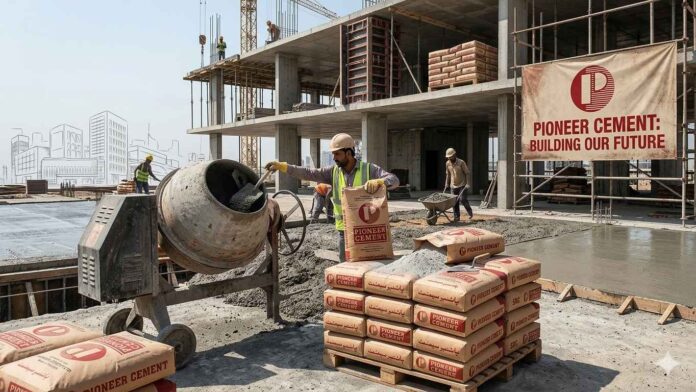

Pakistan’s industrial sector is witnessing a significant transformation as companies increasingly turn toward renewable energy solutions to reduce costs, improve efficiency, and strengthen long-term sustainability. Among the latest developments in this trend is the decision by Pioneer Cement to install a 28.265-megawatt solar power plant at its manufacturing facility in Khushab, a move that represents a major milestone in the company’s energy transition strategy.
The new solar facility is expected to play a critical role in reducing dependence on conventional electricity sources while helping the company manage one of its largest operating expenses. Energy costs have become a growing concern for manufacturers across Pakistan, particularly in energy-intensive industries such as cement production. By investing in solar power generation, Pioneer Cement aims to improve profitability, enhance operational reliability, and contribute to environmental sustainability.
The project reflects a broader shift within Pakistan’s industrial landscape, where businesses are increasingly embracing renewable energy technologies as a practical solution to rising electricity costs and changing market conditions.
A Major Renewable Energy Investment
The approval of the 28.265MW solar power project marks one of the most significant renewable energy investments undertaken by the company in recent years.
The solar facility will be installed at the company’s manufacturing plant located in Khushab, where it will provide a substantial portion of the electricity required for daily operations. Once operational, the plant is expected to significantly reduce reliance on grid-supplied electricity while providing a more stable and cost-effective source of energy.
Industrial energy consumption remains one of the largest cost components in cement manufacturing. The ability to generate electricity internally through renewable sources offers companies an opportunity to improve financial performance while insulating themselves from fluctuations in power tariffs and fuel prices.
The decision demonstrates management’s confidence in renewable energy as a long-term solution capable of delivering both economic and environmental benefits.
Why Energy Costs Matter in Cement Manufacturing
Cement production is among the most energy-intensive industrial processes in the world.
From raw material extraction and crushing to kiln operations and final product processing, every stage of cement manufacturing requires substantial amounts of electricity and thermal energy. As a result, energy costs account for a significant share of total production expenses.
In Pakistan, manufacturers have faced increasing pressure from rising electricity tariffs, fuel costs, and broader inflationary trends. These factors have directly affected profit margins and competitiveness across the sector.
For cement producers, controlling energy expenses has become a strategic priority.
Renewable energy projects such as solar power plants offer an effective mechanism for reducing operating costs while improving long-term financial sustainability. The lower cost of solar-generated electricity can help manufacturers offset rising utility expenses and maintain competitiveness in domestic and international markets.
Solar Energy Becomes a Strategic Business Tool
The perception of solar energy has evolved dramatically over the past decade.
What was once viewed primarily as an environmental initiative is now widely recognized as a strategic business investment. Companies across multiple industries are adopting solar power not only to reduce carbon emissions but also to strengthen financial performance.
The economics of solar energy have improved considerably due to declining equipment costs, advances in technology, and increased efficiency levels.
Modern solar installations can generate substantial electricity at costs significantly lower than traditional power sources over the long term.
For industrial users, this translates into lower operational expenses, greater energy independence, and improved resilience against fluctuations in electricity prices.
Pioneer Cement’s latest investment reflects these changing dynamics and highlights the growing business case for renewable energy adoption.
Strengthening Operational Efficiency
One of the primary objectives behind the solar project is the enhancement of operational efficiency.
Reliable energy supply is essential for maintaining continuous industrial production. Interruptions or fluctuations in power availability can affect output levels, increase costs, and disrupt supply chains.
By generating electricity on-site, the company gains greater control over its energy requirements.
The solar facility is expected to improve energy security while reducing exposure to external power supply challenges. This can contribute to smoother production processes, improved planning, and more efficient utilization of resources.
Enhanced operational efficiency ultimately supports higher productivity and better financial performance.
In an increasingly competitive market environment, such advantages can play an important role in maintaining long-term growth and profitability.
Supporting Long-Term Sustainability Goals
Sustainability has become an increasingly important consideration for businesses worldwide.
Investors, customers, regulators, and other stakeholders are paying closer attention to environmental performance and corporate sustainability initiatives.
Renewable energy projects represent one of the most effective ways for industrial companies to reduce their environmental footprint.
Solar power generation produces electricity without direct greenhouse gas emissions, helping companies lower their carbon intensity and contribute to broader climate objectives.
The adoption of solar energy aligns with global trends toward cleaner production methods and sustainable industrial development.
For Pioneer Cement, the project supports long-term sustainability goals while reinforcing its commitment to responsible business practices.
Funding Through Internal Resources
A notable aspect of the project is the decision to finance the investment entirely through internal cash flows.
Funding major capital projects through internal resources demonstrates financial strength and confidence in future returns.
By utilizing internally generated funds, the company avoids additional borrowing costs while maintaining flexibility in its capital structure.
This approach also reflects management’s belief that the solar project will generate substantial long-term value.
The expected savings in energy costs are likely to provide attractive returns over the lifespan of the installation, making it a financially sound investment.
Strong internal financing capability can also enhance investor confidence by highlighting the company’s ability to support growth initiatives without excessive reliance on external financing.
Growing Trend Across Pakistan’s Cement Industry
The solar power project is part of a broader transformation taking place across Pakistan’s cement sector.
Many manufacturers have accelerated investments in renewable energy over recent years as they seek to address rising electricity costs and improve competitiveness.
The cement industry faces unique energy challenges due to its high power consumption requirements. Consequently, renewable energy solutions offer particularly significant benefits for producers operating in this sector.
Solar installations, waste heat recovery systems, and alternative energy projects have become increasingly common as companies pursue cost reduction and sustainability objectives.
The growing adoption of renewable technologies is helping reshape the industry’s energy profile while reducing dependence on conventional power sources.
This trend is expected to continue as energy economics increasingly favor renewable generation.
Impact on Production Costs
Lower energy expenses can have a meaningful impact on overall production costs.
When electricity represents a significant component of manufacturing expenses, even modest reductions in energy costs can generate substantial savings over time.
These savings can improve profitability, strengthen cash flow, and support additional investments in expansion, modernization, and innovation.
For cement manufacturers operating in highly competitive markets, cost efficiency often determines long-term success.
The solar project is expected to contribute directly to improved cost management by reducing exposure to external electricity pricing pressures.
As energy savings accumulate over time, the investment may create significant financial benefits for both the company and its shareholders.
Enhancing Shareholder Value
The project has been positioned as part of a broader strategy focused on long-term value creation.
Shareholders increasingly favor investments that combine operational improvements with sustainable growth opportunities.
Renewable energy projects offer the potential to achieve both objectives simultaneously.
Reduced operating costs can strengthen earnings performance, while sustainability initiatives can enhance corporate reputation and attract environmentally conscious investors.
The solar facility is expected to generate value through improved efficiency, lower expenses, enhanced competitiveness, and stronger environmental performance.
Such benefits contribute to a more resilient business model capable of delivering sustainable returns over the long term.
Renewable Energy and Industrial Competitiveness
Energy efficiency has become a critical factor in determining industrial competitiveness.
Companies that successfully control energy costs are often better positioned to compete in both domestic and international markets.
Renewable energy investments can provide a lasting competitive advantage by reducing operating expenses and improving cost predictability.
In sectors such as cement manufacturing, where margins are influenced by input costs, energy-related efficiencies can significantly affect overall performance.
The transition toward renewable energy therefore represents more than an environmental initiative; it is increasingly a core component of competitive business strategy.
Pioneer Cement’s investment reflects this evolving reality and demonstrates how sustainability and profitability can work together.
The Future of Industrial Solar Energy in Pakistan
Pakistan possesses significant solar energy potential due to its favorable climate and abundant sunlight.
As technology costs continue to decline and energy prices remain elevated, industrial solar adoption is expected to accelerate further.
Manufacturers across various sectors are likely to explore renewable energy projects as part of broader efforts to improve efficiency and strengthen competitiveness.
Government policies supporting renewable energy development may further encourage investment in clean energy infrastructure.
The growing integration of solar power into industrial operations has the potential to reduce pressure on the national grid while supporting economic growth and environmental sustainability.
Large-scale industrial projects such as this one demonstrate the increasing role of renewable energy in shaping Pakistan’s industrial future.
A Milestone in the Company’s Energy Transformation
The approval of the 28.265MW solar power plant represents a major milestone in Pioneer Cement’s energy transformation journey.
The project reflects a forward-looking approach to operational management, sustainability, and long-term value creation. By investing in renewable energy, the company aims to reduce costs, improve efficiency, strengthen competitiveness, and contribute to cleaner industrial development.
The initiative also highlights a broader shift occurring across Pakistan’s manufacturing sector, where renewable energy is increasingly viewed as both an economic necessity and a strategic opportunity.
As the solar facility moves toward commissioning and commercial operation, it is expected to deliver meaningful benefits for production efficiency, financial performance, environmental sustainability, and shareholder value.
The project underscores the growing importance of renewable energy in modern industrial operations and positions Pioneer Cement among the companies leading Pakistan’s transition toward a more sustainable and energy-efficient future.
Read More
Pakistani Rupee Extends Gains Against Dollar Following Federal Budget Announcement