
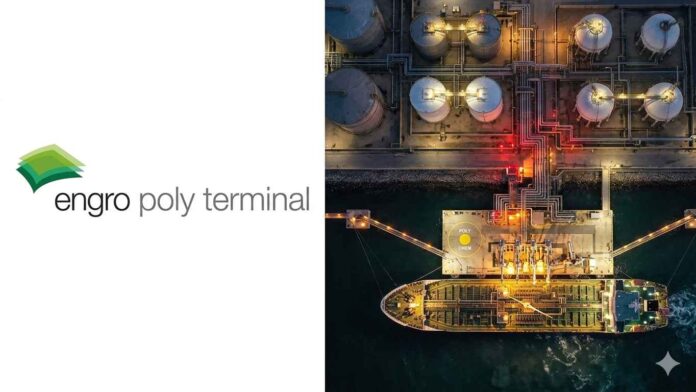

The federal government is preparing to reassess a major decision involving one of Pakistan’s most important energy and petrochemical infrastructure assets. The move comes after objections were raised regarding the approval of a 30-year lease extension for a strategically important terminal operating at one of the country’s key maritime gateways.
The issue has sparked a broader debate about transparency, public procurement regulations, competition policy, investor confidence, and the future direction of Pakistan’s petrochemical and logistics sectors. As policymakers revisit the matter, the discussion is increasingly being viewed as a test case for how Pakistan manages long-term concessions involving critical national infrastructure.
The review comes at a crucial time, as the existing lease arrangement is approaching its expiration date. The outcome could influence not only the future of the terminal itself but also future investment decisions across the country’s ports, energy facilities, and industrial infrastructure projects.
Why the Lease Extension Is Being Reconsidered
The government’s decision to revisit the lease extension follows concerns raised regarding the process through which the approval was granted.
Questions have emerged about whether the extension complies with procurement regulations and whether the proposal qualified for an exemption from competitive bidding requirements.
Critics argue that extending a strategic lease for another three decades without conducting an open and transparent bidding process may undermine competition and prevent other investors from participating in the opportunity.
Supporters of the review believe that all major public assets should be managed through procedures that maximize transparency, fairness, and value for the national economy.
The issue has therefore moved beyond a simple lease renewal and evolved into a larger discussion about governance standards and public sector decision-making.
The Strategic Importance of the Terminal
The terminal at the center of the controversy plays a critical role within Pakistan’s energy and industrial supply chain.
It serves as a key entry point for chemicals, petroleum-related products, and liquefied gases that support numerous sectors of the economy.
These imported materials are essential for manufacturing industries, agriculture, transportation, construction, pharmaceuticals, plastics production, and several other industrial activities.
Any facility responsible for handling such a large portion of the country’s energy and chemical imports naturally becomes strategically significant.
Efficient operations at the terminal help ensure uninterrupted industrial production, reliable energy supplies, and stable logistics networks.
As a result, decisions regarding the management and future operation of the facility carry implications that extend well beyond a single commercial agreement.
Understanding the Existing Lease Agreement
The current lease arrangement originated several decades ago under a build-operate-transfer model.
This framework is widely used around the world for infrastructure projects because it allows private investors to finance, develop, and operate facilities for a predetermined period before ownership or control ultimately returns to the public sector.
The model helps governments attract investment without bearing the entire upfront financial burden associated with large infrastructure projects.
In return, private operators receive the opportunity to recover their investment and earn returns through long-term operational rights.
As concession periods near expiration, governments typically face several options. They can extend the agreement, invite fresh bids from competing investors, renegotiate terms, or assume direct operational control.
Each option carries its own economic, legal, and policy implications.
Concerns About Procurement Rules
One of the central issues driving the review involves compliance with procurement regulations.
Public procurement frameworks are designed to ensure that government decisions involving public resources are transparent, competitive, and accountable.
These regulations typically encourage open competition to achieve the best possible outcomes for taxpayers and the broader economy.
Exceptions are usually reserved for highly specialized situations involving unique technologies, innovative solutions, or circumstances where competition is impractical.
Critics argue that the lease extension may not meet the criteria necessary to justify bypassing a competitive bidding process.
They maintain that a fresh bidding process could potentially attract additional investment commitments and provide greater economic benefits.
Supporters of the extension, however, contend that the facility’s unique operational characteristics and long-standing investments justify a different approach.
The review process is expected to examine these competing viewpoints carefully.
Competition and Market Dynamics
Competition remains one of the most important themes in the debate surrounding the lease extension.
Economic theory generally supports competitive markets because they encourage efficiency, innovation, lower costs, and improved services.
When multiple companies compete for opportunities, governments can often secure more favorable commercial terms and stronger investment commitments.
Opponents of the lease extension argue that granting another 30-year term without open bidding could limit market access and reduce incentives for new entrants.
They believe a competitive process would strengthen confidence in the fairness of the decision while promoting broader industry development.
At the same time, supporters argue that continuity and operational stability are equally important for large-scale infrastructure projects.
They emphasize that long-term investments often require long-term certainty and predictability.
Balancing these competing considerations will likely be one of the key challenges facing policymakers during the review.
Potential Impact on the Petrochemical Industry
The outcome of the review could have significant implications for Pakistan’s petrochemical sector.
The petrochemical industry relies heavily on efficient logistics infrastructure for the import, storage, and distribution of raw materials.
Any changes affecting terminal operations could influence supply chains, transportation costs, inventory management, and investment decisions across the sector.
Industry participants are therefore closely monitoring developments.
Some stakeholders believe that introducing greater competition could encourage modernization and attract additional investment into storage and logistics infrastructure.
Others argue that preserving operational continuity should remain the primary objective given the facility’s strategic importance.
Regardless of the final decision, the debate highlights the increasingly important role that logistics infrastructure plays in supporting industrial growth.
Investor Confidence and Regulatory Certainty
Large infrastructure projects require significant capital commitments and long investment horizons.
As a result, investors pay close attention to how governments manage contracts, concessions, and regulatory decisions.
A transparent review process can strengthen confidence in governance and regulatory institutions.
However, investors also value policy consistency and contractual certainty.
Frequent revisions or reversals of major decisions can sometimes create concerns about predictability and investment risk.
This is why governments often seek to balance transparency and accountability with stability and investor protection.
The handling of the lease review may therefore influence broader perceptions regarding Pakistan’s investment environment.
The Role of Ports in Economic Development
Ports and maritime infrastructure remain essential components of Pakistan’s economic development strategy.
They serve as gateways for imports and exports, connecting domestic industries with global markets.
Efficient port operations reduce logistics costs, improve supply chain reliability, and enhance national competitiveness.
As international trade continues to evolve, countries are investing heavily in port modernization, digitalization, and logistics integration.
Pakistan’s strategic location provides substantial opportunities to benefit from regional trade flows.
Realizing these opportunities requires continued investment in infrastructure and effective management of critical facilities.
The lease review therefore has significance not only for one terminal but also for broader discussions regarding maritime development and trade facilitation.
Balancing Public Interest and Commercial Considerations
One of the most challenging aspects of infrastructure policymaking involves balancing public interest objectives with commercial realities.
Governments must ensure that strategic assets generate maximum economic value while remaining attractive to private investors.
Public authorities also have a responsibility to promote transparency, competition, and accountability.
At the same time, they must provide sufficient certainty to encourage long-term investment.
These objectives are not always perfectly aligned.
The current debate reflects the complexity of finding the right balance between encouraging investment and maintaining competitive market structures.
Possible Outcomes of the Review
Several outcomes remain possible as the government reexamines the lease extension.
Authorities could decide to uphold the existing approval after determining that it complies with relevant regulations and serves the national interest.
Alternatively, policymakers could modify the terms of the agreement to address concerns raised during the review process.
Another possibility involves initiating a competitive bidding process that would allow multiple investors to compete for the concession.
Each option carries different implications for investors, industry participants, and government institutions.
The final decision will likely depend on legal evaluations, economic considerations, investment commitments, and long-term policy objectives.
Implications for Future Infrastructure Projects
Beyond the immediate issue, the review may establish an important precedent for future infrastructure projects.
Governments frequently rely on public-private partnerships and concession agreements to attract investment into critical sectors.
How this case is handled could influence expectations regarding future lease renewals, concession extensions, and procurement practices.
Investors, regulators, and policymakers are therefore likely to view the decision as an indicator of how similar cases may be treated in the future.
This broader significance explains why the issue has attracted considerable attention from both the public and private sectors.
The Need for Transparent Decision-Making
Transparency remains one of the most important principles in public sector governance.
Clear explanations regarding decision-making processes help build trust among investors, businesses, and citizens.
Whether the government ultimately approves, modifies, or rejects the lease extension, stakeholders are likely to expect detailed reasoning supported by legal and economic analysis.
Transparent decision-making can strengthen institutional credibility and reduce uncertainty.
It can also help ensure that infrastructure assets continue to serve the broader interests of the economy.
Conclusion
The government’s decision to review the 30-year lease extension granted to Engro Vopak Terminal has become a significant policy issue with implications extending far beyond a single infrastructure project.
The debate encompasses procurement regulations, competition policy, investor confidence, energy security, maritime development, and industrial growth.
Supporters of the extension emphasize operational continuity, long-term investment certainty, and the terminal’s strategic contribution to Pakistan’s economy.
Critics argue that open competition and strict adherence to procurement principles are necessary to maximize transparency, fairness, and economic value.
As policymakers revisit the matter, their decision will likely shape future discussions regarding public-private partnerships, infrastructure concessions, and strategic asset management in Pakistan.
Whatever outcome emerges, the review highlights the growing importance of transparent governance, effective regulation, and balanced policymaking in supporting sustainable economic development and long-term investment growth.
Read More
Government Faces Questions Over Rs. 3.68 Trillion Excess Spending Request


