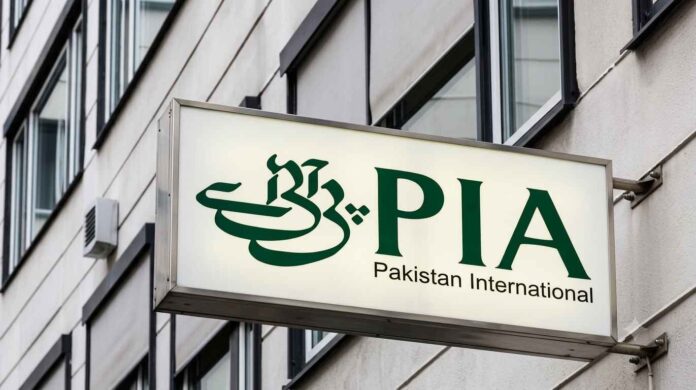

pakistan International Airlines has officially entered a new chapter in its history as control of the national carrier passes to its new owners following the completion of the privatization process. The transition marks one of the most significant developments in Pakistan’s aviation sector in decades and signals the beginning of an ambitious effort to transform the airline into a modern, competitive, and financially sustainable enterprise.
The ownership transfer represents more than a simple corporate transaction. It reflects a broader vision aimed at revitalizing one of Pakistan’s most recognizable institutions, improving service quality, strengthening financial performance, and restoring the airline’s position in regional and international aviation markets.
The new management has outlined an extensive roadmap focused on investment, modernization, operational efficiency, and customer satisfaction. With fresh capital commitments and a renewed strategic direction, the airline is expected to embark on a comprehensive transformation designed to address long-standing challenges while positioning itself for future growth.
The transition comes at a time when the global aviation industry is experiencing rapid change, increasing competition, evolving customer expectations, and growing pressure to improve efficiency and sustainability. For Pakistan’s national carrier, the new ownership structure provides an opportunity to adapt to these realities and build a stronger foundation for long-term success.
A Historic Turning Point for Pakistan’s National Airline
The official transfer of control marks a historic milestone for the airline and the country’s aviation sector. For decades, the carrier has played a central role in connecting Pakistan with the world while serving as a symbol of national identity and pride.
Over the years, however, the airline faced numerous operational and financial challenges that affected its ability to compete effectively in an increasingly competitive global market. Rising costs, aging infrastructure, operational inefficiencies, and growing competition from regional and international carriers created significant pressure on performance and profitability.
The privatization process was undertaken with the objective of introducing private sector expertise, capital investment, and management practices that could help reverse these trends and create a more sustainable future for the airline.
The completion of the ownership transfer now allows the new management team to begin implementing its strategic vision and operational reforms.
Industry observers view the transition as a potentially transformative moment that could reshape the airline’s future trajectory and influence the broader aviation landscape in Pakistan.
Fresh Capital Injection to Drive Growth
One of the most important elements of the new ownership plan is a substantial capital injection intended to strengthen the airline’s financial position and support long-term investment initiatives.
The planned investment is expected to provide the resources necessary to modernize operations, improve service delivery, and enhance competitiveness across domestic and international routes.
Access to fresh capital is particularly important in the aviation industry, where fleet acquisition, maintenance, technology upgrades, and infrastructure improvements require significant financial commitments.
The investment strategy is expected to focus on several key priorities, including fleet renewal, operational efficiency, customer experience enhancement, digital transformation, and network expansion.
By strengthening the airline’s financial foundation, the new owners aim to create the flexibility needed to pursue growth opportunities while addressing structural challenges that have accumulated over many years.
The availability of new funding is also expected to improve confidence among passengers, business partners, suppliers, and industry stakeholders who are closely monitoring the airline’s transformation efforts.
Fleet Modernization at the Center of the Strategy
A modern and efficient fleet is essential for the success of any airline, and fleet renewal has emerged as one of the primary priorities under the new management structure.
Aircraft modernization offers numerous benefits, including lower operating costs, improved fuel efficiency, enhanced reliability, better passenger comfort, and reduced environmental impact.
Many airlines around the world have invested heavily in next-generation aircraft to improve competitiveness and meet evolving market expectations. For Pakistan’s national carrier, fleet modernization represents an opportunity to align operations with international standards while enhancing overall performance.
A newer fleet can also improve schedule reliability by reducing maintenance-related disruptions and increasing operational efficiency.
Passengers increasingly expect modern cabins, advanced in-flight amenities, improved seating comfort, and better onboard experiences. Investments in newer aircraft can help meet these expectations and strengthen customer satisfaction.
Fleet modernization is therefore expected to play a critical role in the airline’s broader transformation agenda.
Improving Passenger Experience and Service Quality
The new ownership team has emphasized that restoring public confidence will require more than financial investment. Sustainable success will depend heavily on delivering a consistently high-quality passenger experience.
In today’s aviation industry, customer expectations extend beyond transportation. Travelers increasingly evaluate airlines based on convenience, reliability, comfort, digital services, customer support, and overall travel experience.
Improving service quality is therefore expected to become a central focus of the airline’s transformation efforts.
Potential areas of improvement include more efficient booking systems, enhanced customer service channels, improved baggage handling, streamlined airport operations, upgraded in-flight services, and greater operational reliability.
Consistency will be particularly important. Building trust among passengers requires sustained improvements over time rather than isolated initiatives.
The new management has acknowledged that confidence must be earned through performance, reliability, and customer satisfaction. This recognition reflects an understanding that long-term success will depend on delivering tangible improvements that passengers can experience directly.
Restoring Competitiveness in Regional and Global Markets
The aviation industry has become increasingly competitive over the past two decades. Airlines across Asia, the Middle East, Europe, and other regions have invested heavily in fleet expansion, digital innovation, customer service enhancement, and route development.
As a result, competition for passengers has intensified significantly.
For Pakistan’s national carrier, regaining competitiveness will require a comprehensive strategy that addresses both operational performance and market positioning.
The airline possesses several strengths that can support this objective, including strong brand recognition, extensive experience, strategic geographic positioning, and established domestic and international networks.
By leveraging these advantages while implementing operational improvements, the airline may be able to strengthen its market presence and attract new customers.
The new ownership structure is expected to provide greater flexibility in decision-making, allowing management to respond more effectively to changing market conditions and emerging opportunities.
This agility could become an important competitive advantage in a rapidly evolving industry.
Economic Impact of a Stronger National Carrier
The successful transformation of the airline could generate benefits that extend well beyond the aviation sector itself.
A financially stable and operationally efficient airline can contribute to economic growth by supporting tourism, trade, investment, and international connectivity.
Improved air transport services make it easier for businesses to access global markets, facilitate the movement of goods and people, and strengthen economic relationships with international partners.
The tourism sector could also benefit from enhanced connectivity and improved service standards. Better flight options and a stronger international reputation may encourage more visitors to travel to Pakistan for business and leisure purposes.
Increased passenger traffic can generate positive spillover effects across hotels, restaurants, transportation services, and other related industries.
The airline’s transformation could therefore play a role in supporting broader economic development objectives while enhancing Pakistan’s connectivity with the global economy.
Digital Transformation and Operational Efficiency
Modern airlines increasingly rely on technology to improve efficiency, reduce costs, and enhance customer experiences.
Digital transformation is expected to form an important component of the new management’s strategy.
Advanced technology solutions can improve scheduling, maintenance planning, revenue management, customer engagement, and operational decision-making.
Digital platforms also provide opportunities to create more personalized travel experiences while simplifying booking, check-in, and customer service processes.
Operational efficiency improvements can generate substantial benefits by reducing costs, improving productivity, and enhancing reliability.
Many successful airlines have used technology-driven strategies to optimize resource utilization and strengthen financial performance.
As the airline moves forward under its new ownership structure, investments in digital capabilities may become a key driver of competitiveness and long-term growth.
Challenges That Remain Ahead
While the ownership transition creates significant opportunities, the path toward transformation is unlikely to be without challenges.
The aviation industry remains vulnerable to economic fluctuations, fuel price volatility, geopolitical developments, regulatory changes, and shifts in consumer demand.
Successfully implementing large-scale reforms requires effective leadership, disciplined execution, and sustained commitment over an extended period.
Modernizing operations, upgrading fleets, improving service quality, and strengthening financial performance are complex objectives that require careful planning and significant resources.
The airline will also need to compete against established international carriers that possess substantial financial and operational advantages.
Meeting these challenges will require a clear strategic vision, strong governance, and a focus on long-term value creation.
The new management’s ability to execute its plans effectively will play a critical role in determining the success of the transformation effort.
Preserving Legacy While Building the Future
One of the most important aspects of the transition is the commitment to preserving the airline’s heritage while preparing it for future success.
The carrier occupies a unique place in Pakistan’s history and remains one of the country’s most recognizable brands. Generations of travelers have associated the airline with national identity, international connectivity, and aviation excellence.
Maintaining this legacy while embracing modernization represents a delicate balance.
The goal is not simply to preserve tradition but to build upon it by creating an airline capable of competing successfully in today’s global aviation environment.
A renewed focus on service quality, operational excellence, and customer satisfaction can help strengthen the connection between the airline and the public while supporting sustainable growth.
This approach allows the organization to honor its history while adapting to the realities of a rapidly changing industry.
A New Era Begins for Pakistan International Airlines
The official transfer of ownership marks the beginning of what could become the most important transformation in the airline’s modern history.
With fresh investment, ambitious modernization plans, and a commitment to operational excellence, the new management team has outlined a vision aimed at restoring the airline’s position as a competitive and respected carrier.
The success of this effort will depend on consistent execution, strategic investment, and the ability to deliver meaningful improvements that passengers can see and experience.
For travelers, employees, investors, and industry stakeholders, the transition represents a moment of optimism and renewed possibility.
The coming years will determine whether the airline can successfully capitalize on this opportunity and achieve the transformation envisioned by its new owners.
What is clear today is that a new chapter has officially begun. The airline now embarks on a journey defined by modernization, investment, service improvement, and a determination to build a stronger future while preserving its proud legacy as Pakistan’s national flag carrier.
Read More
Rising Hormuz Risks Push Pakistan Back to the LNG Spot Market