
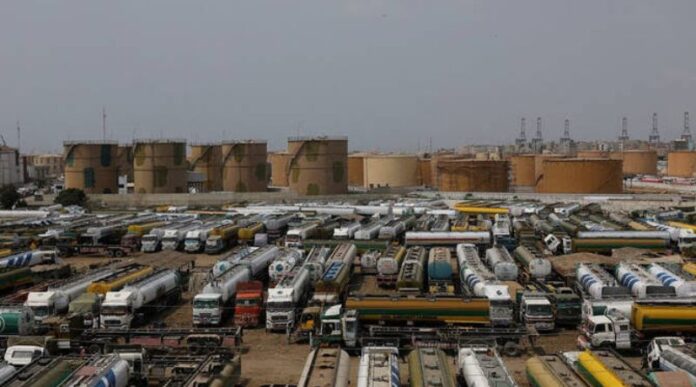

Pakistan has moved towards a new fuel storage system that will allow foreign suppliers to bring petroleum products into the country and keep them in customs bonded warehouses. The decision is aimed at improving Pakistan’s energy security and reducing the risk of fuel shortages during international supply disruptions.
The federal cabinet’s Economic Coordination Committee (ECC) has approved policy guidelines that will allow foreign fuel suppliers to import petroleum products on their own account and store them in bonded facilities in Pakistan. The policy is expected to come into effect after formal approval by the federal cabinet.
The move comes at a time when Pakistan is paying greater attention to the security of its energy supplies. Recent disruptions in international oil shipping routes, particularly around the Strait of Hormuz, have shown how quickly fuel supplies can come under pressure. Pakistan depends heavily on imported petroleum products, making a stable and reliable supply system important for the country’s economy.
Under the new arrangement, foreign suppliers will be able to bring fuel into Pakistan and store it in approved bonded warehouses without immediately selling it in the local market. The products can later be sold to local oil marketing companies and refineries or re-exported to other countries.
What the New Policy Means
The policy will allow international fuel suppliers to keep stocks of petroleum products in Pakistan through customs bonded storage facilities. A bonded warehouse is a storage facility that operates under the supervision and rules of Customs.
In simple terms, foreign suppliers will be able to import fuel and store it in Pakistan while the products remain under the bonded system. The fuel can stay in storage until it is sold to an approved local buyer or sent to another country.
The policy will cover several important energy products. These include crude oil, petrol, high-speed diesel, jet fuel, furnace oil, LPG and LNG. All products brought into the country under the scheme will have to meet the specifications approved by the Oil and Gas Regulatory Authority (OGRA).
However, the facility will not be available for products that are subject to international sanctions binding on Pakistan or items included in the Negative List under the country’s import policy.
The government believes that allowing foreign suppliers to maintain fuel stocks inside Pakistan could help improve the availability of petroleum products and make the supply chain more flexible.
Foreign Suppliers Can Build or Use Storage Facilities
One of the important features of the policy is that foreign suppliers will have more than one option for storing their products.
They can develop their own dedicated fuel storage facilities in Pakistan or use existing public or private bonded warehouses. They can also use dedicated storage terminals that meet the required legal and regulatory conditions.
Any storage facility operating under the scheme will need approval and licensing from Customs. Depending on the nature of the facility, other approvals from port authorities and energy regulators may also be required.
The policy will allow foreign suppliers to operate through their local consignees. A foreign company may also establish its own registered business in Pakistan or work through a subsidiary company registered in the country.
This approach is expected to make it easier for international suppliers to participate in Pakistan’s petroleum market without forcing them to immediately sell their fuel after it arrives in the country.
The foreign company can bring the product into Pakistan, place it in bonded storage and then decide when to sell it, depending on market demand and commercial arrangements.
Approved Locations for Fuel Storage
The new policy identifies several important locations where bonded petroleum products can be stored.
For local sales to licensed oil marketing companies and refineries, foreign suppliers can keep fuel at approved public and private bonded facilities. These include locations around Port Qasim, Karachi Port and Keamari, Hub and Gwadar Port.
The system can also include other approved locations, including inland points such as Mahmood Kot and Machike in Sheikhupura.
These locations are important because they are linked to Pakistan’s main ports, pipelines and fuel distribution system. Fuel imported through coastal areas can be moved towards inland regions where local companies may need additional supplies.
For the purpose of importing products for storage and later re-export, approved port-based bonded facilities will be used. This could allow Pakistan to become a more active location for regional petroleum storage and trading.
The final availability of the facility at different locations and for different products will depend on the required regulatory readiness and approvals.
Access to the National Pipeline Network
Another major part of the policy is the planned use of Pakistan’s national petroleum pipeline system.
Foreign suppliers, through their consignees, will be allowed to move bonded fuel from approved port-based storage locations to inland approved locations. The fuel can then be sold to licensed oil marketing companies and refineries.
The movement of fuel through the pipeline while it remains under the bonded system will not immediately create a duty or tax payment. However, the required customs documentation and goods declaration procedures will still apply.
This could make the system more useful because fuel will not have to remain only at coastal storage points. Instead, stocks can be transported to inland locations where they may be needed.
A stronger link between ports, storage facilities and pipelines could help Pakistan respond more effectively if fuel supplies are disrupted or if there is a sudden increase in local demand.
No Change in the Existing Import System
The government has made it clear that the new policy will not replace the current petroleum import system used by licensed oil marketing companies and refineries.
At present, these companies can import petroleum products on their own account under the existing rules. That arrangement will continue without any change.
The new bonded storage scheme will operate alongside the existing import system. This means Pakistan will have an additional way of bringing petroleum products into the country.
Foreign suppliers will be able to keep their own fuel stocks in Pakistan, while local oil marketing companies and refineries can continue importing fuel through their existing channels.
The parallel system could increase the number of available supply options in the market and reduce dependence on a single method of importing petroleum products.
Tax Responsibilities Will Shift to Local Buyers
The policy also explains how tax responsibilities will work when fuel stored in a bonded warehouse is sold in Pakistan.
When bonded petroleum products are sold to a local oil marketing company or refinery, the local buyer will be treated as the importer of record at the time of ex-bonding. The local company will be responsible for completing the required tax and customs obligations.
This includes registration as an importer where required, filing the necessary returns and paying sales tax and other applicable charges.
The foreign supplier and its consignee will not be required to take sales tax registration or file sales tax returns merely because they are storing or selling bonded products under this arrangement.
The policy is designed to keep foreign suppliers and their consignees largely tax-neutral in Pakistan regarding bonded storage, blending, trading and re-export operations.
This may make the scheme more attractive to international suppliers because it reduces some of the direct administrative and tax responsibilities that could otherwise discourage foreign companies from storing fuel in Pakistan.
More Freedom in Fuel Pricing
The new system will also give foreign suppliers greater commercial flexibility when dealing with local buyers.
Foreign suppliers will be able to negotiate prices directly with licensed oil marketing companies and refineries for bonded petroleum products. The price will be based on commercial arrangements between the buyer and seller.
Under the policy, OGRA’s pricing notifications will apply to local purchasers rather than directly controlling the commercial price agreed between the foreign supplier and the buyer.
For customs purposes, the value of the imported fuel will be determined according to the transaction value at the time the product is sold to the local purchaser.
If the sale and ex-bonding process happen at the same time, the transaction value applicable on the date when the ex-bond goods declaration is filed will be used for calculating the relevant duties, taxes, levies and other charges.
This system is intended to create a clear process for foreign suppliers while ensuring that Pakistan can collect the required duties and taxes when the products formally enter the local market.
Why Pakistan Needs More Fuel Storage
Pakistan’s heavy dependence on imported oil and gas makes the country sensitive to problems in international shipping routes and global energy markets.
A large share of Pakistan’s oil and LNG imports normally passes through the Strait of Hormuz. Any serious disruption in that route can create problems for countries that depend on energy imports from the Gulf region.
Recent supply disruptions have increased concern about Pakistan’s limited ability to maintain large emergency stocks of fuel. The government has therefore been working on plans to strengthen storage capacity and improve energy security. Foreign-owned bonded fuel stocks are seen as one way to keep more petroleum products physically available inside Pakistan without requiring the government to purchase and own all the inventory itself.
This could provide an additional layer of protection if international shipments are delayed or temporarily disrupted.
Government Can Access Fuel During an Emergency
The policy also gives the government an option to requisition bonded fuel in specific emergency situations.
However, this power cannot be used under normal circumstances. A formal emergency must be officially declared before the government can seek access to such products.
Possible situations may include war, armed conflict, a major natural disaster or a serious and clearly documented collapse of domestic fuel supplies.
This part of the policy is important because fuel stored in Pakistan could become available during a national crisis. At the same time, the government will have to follow the rules and conditions set under the policy.
The arrangement could help improve Pakistan’s ability to respond to unexpected energy emergencies.
Challenges in Implementing the New System
Although the policy creates a new opportunity, its success will depend on proper implementation.
The government will need to ensure that storage facilities meet international and local safety standards. Customs authorities, port authorities, OGRA and other government departments will also need to coordinate closely.
The movement of bonded fuel through pipelines and between different storage locations will require a reliable monitoring system.
Some changes may also be needed in customs and banking systems to ensure that the bonded storage process works smoothly. The policy discussions have included system arrangements for tracking goods, handling partial transactions and managing the movement of products under the bonded regime.
Another important question will be whether international suppliers are willing to invest in storage facilities and maintain commercial fuel stocks in Pakistan.
The government hopes that a clear regulatory system and tax-neutral treatment will encourage foreign suppliers to use the new arrangement.
A Step Towards Better Energy Security
Pakistan’s decision to allow foreign suppliers to store fuel in bonded warehouses is an important development for the country’s energy sector.
The system could increase the amount of fuel physically available in Pakistan, provide more flexibility to international suppliers and create additional options for local oil marketing companies and refineries.
Foreign suppliers will be able to store crude oil, petrol, diesel, jet fuel, furnace oil, LPG and LNG in approved bonded facilities. They can later sell the products to local buyers or re-export them, depending on business requirements and market conditions.
The existing petroleum import system for local companies will continue at the same time, meaning the new policy will add another supply channel instead of replacing the current one.
With Pakistan facing ongoing risks linked to international energy markets and shipping routes, stronger fuel storage arrangements can play an important role in improving supply security.
If implemented effectively, the bonded storage system could help reduce the risk of sudden shortages, improve the flow of petroleum products and encourage greater participation by international energy suppliers.
The real success of the policy will depend on how quickly the required facilities, approvals, systems and regulations are put in place. However, the decision marks a significant step towards creating a more flexible and secure petroleum supply system for Pakistan.
Read Also: check