
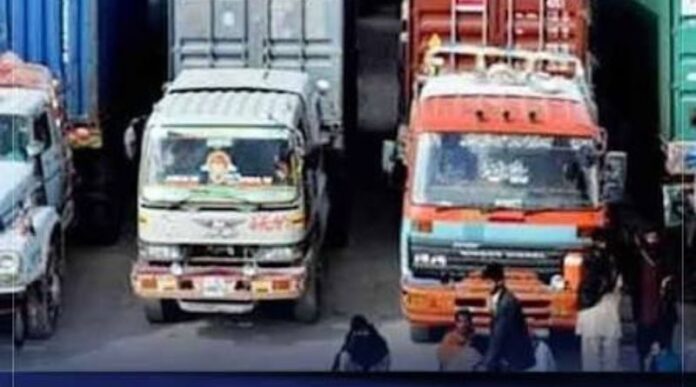

The cost of transporting goods across Pakistan has increased sharply, with freight and goods transport rates rising by around 40%. The sudden increase is creating fresh problems for traders, manufacturers, wholesalers, retailers, and consumers, as higher transportation costs are expected to push up the prices of many products in the market.
Transport is an important part of Pakistan’s business system. Almost every product sold in the country has to be moved from one place to another before reaching the final customer. Whether it is food, clothing, medicines, construction material, agricultural products, or industrial goods, businesses depend heavily on trucks and other commercial vehicles. When the cost of transport goes up, its impact is often felt throughout the entire supply chain.
The latest increase in goods transport rates has therefore become a major concern for the business community. Transporters are facing higher operating expenses, while businesses are worried that they may not be able to absorb the additional cost for long.
Why Transport Costs Are Rising
One of the main reasons behind the increase in transport rates is the rising cost of fuel. Fuel prices have a direct impact on the transport sector because trucks and other heavy vehicles consume large amounts of diesel during long-distance journeys.
When diesel becomes more expensive, transport companies have to spend more money on every trip. This includes the cost of taking goods between major cities as well as delivering products to smaller towns and remote areas.
Transporters also have to deal with other growing expenses. Vehicle maintenance, spare parts, tyres, engine oil, toll charges, driver salaries, and food costs have all become more expensive. Commercial vehicles are often used for long hours and travel thousands of kilometres every month. As a result, even a small rise in operating costs can have a major effect on the final transport bill.
For many transporters, the old freight rates are no longer enough to cover these expenses. They are therefore adjusting their charges to match the higher cost of running their businesses.
Heavy Impact on the Business Community
The 40% rise in goods transport rates is particularly difficult for businesses that operate on low profit margins. Small traders and wholesalers often work with limited room to increase their prices. A sudden increase in freight costs can therefore affect their earnings and cash flow.
Manufacturers are also feeling the pressure. Factories need transportation not only to deliver finished goods but also to bring raw materials from suppliers. If the cost of moving raw materials increases, the production cost also rises.
For example, a factory may need to transport raw materials from one province to another before production can begin. Once the products are ready, another truck may be required to move them to warehouses, distributors, or retailers. Every additional transport charge adds to the final cost.
Businesses may eventually pass these higher expenses on to consumers. This means people could pay more for everyday goods even when the original product price has not changed significantly.
Food Prices Could Come Under More Pressure
Food items are among the products most affected by transportation costs. Pakistan has a large agricultural sector, and crops often travel long distances before reaching urban markets.
Farmers send vegetables, fruits, wheat, rice, sugar, and other products to wholesale markets and cities. These goods can then move again from wholesale markets to smaller markets and retail shops.
A rise in freight rates at each stage adds to the final price.
Fresh produce can face an even bigger problem because fruits and vegetables have to reach markets quickly. Farmers and traders cannot keep them for long periods without risking losses. As transport becomes more expensive, sellers may increase prices to recover their additional expenses.
This can put more pressure on household budgets, especially at a time when many families are already dealing with high living costs.
Retailers May Also Increase Prices
Retail businesses are another major part of the supply chain. Most retailers do not purchase products directly from factories. Instead, goods often pass through distributors and wholesalers before reaching shops.
Each movement adds transportation expenses.
A retailer buying products from another city may now have to pay considerably more for delivery. The shopkeeper then has two choices: absorb the higher cost and accept lower profits, or increase the selling price.
For large businesses, absorbing the additional expense may be possible for a short period. However, smaller shops may not have enough financial strength to do this. As a result, consumers could see higher prices in local markets.
The impact may be more visible in products that are transported over long distances or require multiple delivery stages.
Small Businesses Face Greater Pressure
Small businesses are among the most vulnerable groups in this situation. Many small traders operate with limited working capital and depend on regular sales to cover daily expenses.
When transport rates rise suddenly, they may have to pay more to bring stock into their shops. At the same time, customers may become less willing to spend because prices are increasing.
This can create a difficult situation for small businesses. They may reduce their orders, delay purchases, or look for suppliers closer to their markets.
Some traders may also try to combine shipments with other businesses to reduce delivery costs. However, this is not always possible, especially when goods are time-sensitive or require special handling.
Manufacturers Could Face Higher Production Costs
Pakistan’s industrial sector could also feel the effects of higher freight charges. Manufacturing companies rely on transport for almost every stage of their operations.
Raw materials need to be brought to factories, finished products have to be moved to warehouses, and distributors then send them to different markets.
If transport becomes more expensive at all these stages, the overall cost of production rises.
Companies may respond by increasing the prices of their products. Others could reduce production to control costs. In some cases, businesses may delay expansion plans or reduce hiring because they are already dealing with higher operational expenses.
For export-oriented industries, the issue can become even more serious. Higher domestic transportation costs can make Pakistani products less competitive in international markets.
Higher Freight Rates and Inflation
The increase in transport rates could also add to inflationary pressure in the country.
Transport is not a separate part of the economy. It is connected with almost every sector. When the cost of moving goods rises, businesses across different industries have to adjust their budgets.
A furniture manufacturer, for example, may need to transport wood and other materials to the factory and then send finished furniture to customers. A construction company needs trucks to move cement, steel, bricks, sand, and other material. A pharmaceutical company also depends on transport to deliver medicines across different regions.
This means that a rise in freight charges can influence prices across a wide range of products and services.
The full impact may not appear immediately. Some businesses may continue using existing stock for a while or absorb the extra cost temporarily. But if high transport rates remain in place, the pressure is likely to reach consumers.
Transporters Say Costs Have Become Difficult to Manage
From the transporters’ point of view, higher freight charges are linked to the increasing cost of operating commercial vehicles.
Truck owners have to pay for fuel, regular maintenance, tyres, spare parts, taxes, tolls, and other expenses. Vehicles also lose value over time and require expensive repairs.
Drivers and supporting staff also need higher salaries as their own living costs increase.
A long-distance truck journey may take several days, which means the total expense of one trip can be very high. Transporters also face the risk of delays, vehicle breakdowns, road conditions, and empty return journeys.
When all of these costs increase together, transport companies say that charging the old rates becomes difficult.
Empty Return Trips Add to the Cost
One issue that often affects transport businesses is the empty return journey.
A truck may carry goods from Lahore to Karachi, for example, but may not always find another shipment to bring back. The transporter still has to pay fuel, wages, and other expenses while returning.
This means the cost of the return journey is indirectly included in the freight rate charged to customers.
When fuel and maintenance expenses rise, these empty trips become even more costly.
Transporters therefore try to adjust rates to make sure that their overall business remains financially workable.
Impact on Intercity Trade
Higher goods transport rates may also affect trade between provinces and cities.
Pakistan’s major commercial centres depend on the movement of goods from one region to another. Agricultural products move from farming areas to urban markets, while industrial goods travel from manufacturing centres to consumers.
If freight charges remain high, some traders may reduce shipments between distant markets.
This could affect the availability of certain products in smaller cities and rural areas. In some cases, consumers in remote locations may have to pay more simply because it costs more to bring goods there.
The situation may be particularly difficult for businesses located far from major industrial and commercial centres.
Government Attention May Be Needed
The sharp rise in transport rates could require attention from the government and relevant authorities.
Businesses may seek measures that can help reduce transportation costs or improve the efficiency of the logistics sector.
Better roads, faster cargo movement, improved transport facilities, and lower unnecessary charges can help reduce the overall cost of moving goods.
Fuel prices are also an important part of the discussion. Since diesel is a major expense for commercial transport, changes in fuel prices quickly affect freight rates.
A stable and predictable cost environment would make it easier for businesses and transporters to plan ahead.
Better Logistics Could Reduce Long-Term Costs
Pakistan also needs stronger logistics systems to reduce transportation expenses over time.
Modern warehouses, organized freight networks, improved highways, better traffic management, and digital tracking systems can make goods movement more efficient.
When trucks spend less time waiting at loading points or stuck in traffic, their operating cost can fall. Better planning can also help reduce empty journeys and improve the use of available vehicles.
Technology can play a role as well. Digital freight platforms can help match transporters with businesses that need shipments, potentially reducing unnecessary empty trips.
These improvements may not solve the immediate problem, but they can help make the transport sector more efficient in the long run.
Consumers Will Ultimately Feel the Impact
The biggest concern is that higher transport costs may eventually reach ordinary consumers.
Pakistanis are already facing pressure from household expenses, and any further increase in food, household items, construction material, clothing, or other products can make daily life more difficult.
When businesses face higher transportation charges, they usually cannot absorb the entire increase forever. At some point, part of the cost is likely to be reflected in the selling price.
This is why the 40% rise in goods transport rates is not only a transport-sector issue. It is also an economic issue that can affect businesses, jobs, trade, and household budgets.
A Challenging Time for Pakistan’s Economy
The increase in freight rates comes at a difficult time for Pakistan’s economy. Businesses are already managing high operating costs, while consumers are becoming more careful about spending.
For transporters, higher rates may provide some relief from rising expenses. For businesses and consumers, however, they create another layer of financial pressure.
The situation highlights how closely connected different parts of the economy are. A change in the cost of transportation can affect the price of goods, business profits, industrial production, and household spending.
A lasting solution will require efforts from both the public and private sectors. Transporters need a workable business environment, while businesses need affordable and reliable logistics services.
What Happens Next?
The future impact of the 40% increase will largely depend on how long the higher rates remain in place.
If fuel prices and other operating costs come down, transport rates may also ease. But if expenses continue to rise, businesses could face more pressure to increase product prices.
Much will also depend on government steps to control unnecessary costs and improve the movement of goods.
For now, traders, manufacturers, retailers, and consumers are likely to remain under pressure as they adjust to the new transportation charges.
The latest rise in goods transport rates shows that freight costs have become an important issue for Pakistan’s economy. With transportation playing a central role in almost every supply chain, any major change in freight charges can quickly spread across the market.
A 40% increase is significant enough to affect businesses of all sizes. From farmers and factory owners to wholesalers, shopkeepers, and ordinary families, many people could feel its impact.
Reducing these costs will require better planning, improved infrastructure, efficient logistics, and a stable business environment. Until then, the higher cost of moving goods is likely to remain a major concern for Pakistan’s economy and consumers.
Read Also:check