

Energy Supply Disruptions Push Pakistan Toward Power Emergency
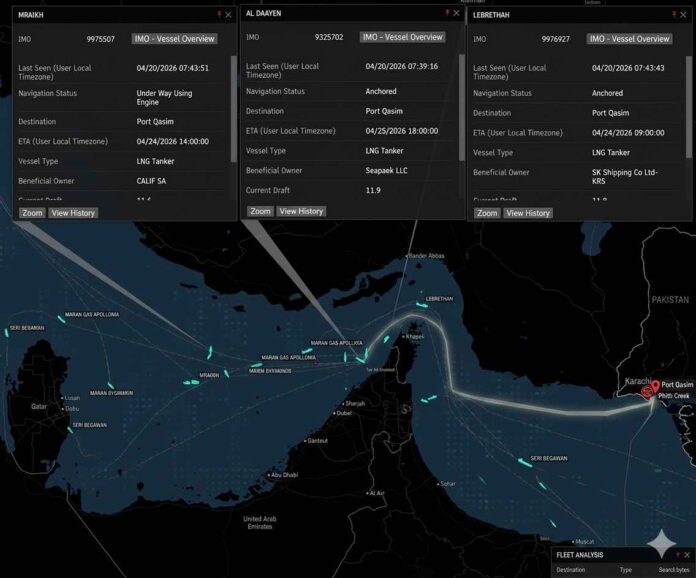
Pakistan is grappling with a deepening energy crisis as at least three liquefied natural gas cargoes meant for the country remain stranded in the Persian Gulf. The disruption, linked to instability around a critical global shipping route, has triggered serious concerns about electricity shortages at a time when rising temperatures are already driving up power demand.
The delay in LNG shipments has come at a particularly challenging moment for Pakistan’s power sector, which heavily depends on imported fuel to sustain electricity generation. With no LNG arrivals for over a month, the country now faces mounting pressure on its energy infrastructure, raising fears of prolonged load shedding and economic disruption.
Stranded LNG Cargoes Disrupt Energy Flow
The stalled LNG shipments highlight the vulnerability of Pakistan’s energy supply chain to global geopolitical developments. The affected cargoes, which were expected to support electricity generation, have been unable to reach their destination due to ongoing tensions affecting maritime routes.
This disruption has effectively cut off a major source of fuel for power plants that rely on LNG. As a result, electricity generation capacity has been significantly reduced, forcing authorities to seek alternative and often more expensive energy sources.
The situation underscores how dependent Pakistan remains on external energy supplies and how quickly disruptions can translate into domestic challenges.
Power Shortfall Worsens Amid Rising Demand
The timing of the LNG disruption could not be worse. As temperatures climb across the country, electricity demand typically surges due to increased use of cooling systems. However, the reduction in fuel supply has left the power sector struggling to meet this growing demand.
Officials have indicated that the country is currently facing a shortfall of several thousand megawatts. This gap between supply and demand has resulted in extended periods of load shedding, particularly during peak hours.
In many areas, residents are experiencing power outages lasting several hours each day, affecting households, businesses, and essential services. The impact is especially severe in regions already facing infrastructure challenges.
LNG-Based Power Generation Severely Affected
LNG-fired power plants play a crucial role in Pakistan’s energy mix, with a combined capacity of several thousand megawatts. However, the absence of fuel has drastically reduced their output.
Electricity generation from these plants has dropped to a fraction of their installed capacity, highlighting the scale of the disruption. This decline has forced the power sector to operate under severe constraints, limiting its ability to respond to fluctuations in demand.
The reduced output from LNG plants has also placed additional strain on other sources of electricity generation, which are already operating at or near their limits.
Hydropower Output Declines Further Complicate Situation
Adding to the crisis is a significant drop in hydropower generation. Lower rainfall and reduced water availability have led to decreased reservoir levels, limiting the amount of electricity that can be produced from hydroelectric sources.
Hydropower, which is typically a cost-effective and reliable source of energy, has seen its output fall sharply compared to previous years. This decline has further widened the gap between electricity supply and demand.
The combination of reduced LNG availability and lower hydropower generation has created a perfect storm for Pakistan’s energy sector, leaving limited options for immediate relief.
Shift to Costly Fuel Alternatives Increases Pressure
In response to the LNG shortage, authorities have been forced to rely more heavily on alternative fuels such as furnace oil. While this approach helps maintain electricity supply to some extent, it comes with significant financial and environmental costs.
Furnace oil-based generation is considerably more expensive than LNG, leading to higher electricity production costs. This, in turn, could result in increased tariffs for consumers or additional financial strain on the government.
Moreover, the use of furnace oil contributes to higher carbon emissions, undermining efforts to promote cleaner energy solutions and environmental sustainability.
Delays in Maintenance Reflect Urgency of Crisis
To cope with the ongoing energy shortage, authorities have taken the unusual step of delaying maintenance activities at certain power plants. This decision is aimed at keeping as much generation capacity online as possible during the crisis.
While this approach may provide short-term relief, it also raises concerns about the long-term reliability and safety of the power infrastructure. Regular maintenance is essential to ensure efficient operation and prevent unexpected breakdowns.
The decision to postpone maintenance highlights the severity of the current situation and the limited الخيارات available to manage it.
Load Shedding Intensifies Across the Country
As the power shortfall persists, load shedding has become an unavoidable reality for many Pakistanis. Scheduled outages are being implemented to manage demand and prevent a complete collapse of the الكهرباء system.
In some areas, power cuts have extended to several hours daily, disrupting daily life and economic activity. Businesses, particularly small and medium enterprises, are facing operational challenges due to inconsistent electricity supply.
The situation has also affected essential services, including healthcare and education, where reliable power is critical.
Uncertainty Surrounding Future LNG Deliveries
Efforts are underway to secure additional LNG shipments to alleviate the crisis. However, the success of these efforts depends largely on the normalization of shipping routes.
Ongoing geopolitical tensions continue to create uncertainty around the safe passage of LNG cargoes. Any further escalation could delay deliveries even longer, prolonging the energy crisis.
This uncertainty makes it difficult for authorities to plan effectively and increases the risk of continued supply disruptions.
Global Energy Market Volatility Adds to Challenges
The current situation is not isolated to Pakistan alone. Global energy markets have been experiencing heightened volatility بسبب geopolitical tensions affecting key shipping routes.
Disruptions in maritime trade can have far-reaching consequences, impacting fuel prices and availability worldwide. For countries that rely heavily on imported energy, such as Pakistan, these developments pose significant risks.
The interconnected nature of global energy markets means that local challenges are often influenced by events occurring thousands of miles away.
Economic Impact of the Power Crisis
The ongoing power crisis is expected to have a substantial impact on Pakistan’s economy. Frequent outages can disrupt industrial production, reduce business productivity, and increase operational costs.
Energy shortages also affect investor confidence, as reliable power supply is a key factor in attracting investment. Prolonged instability in the energy sector could hinder economic growth and development.
Additionally, increased reliance on expensive fuel sources may strain public finances, further complicating economic management.
Need for Long-Term Energy Security Solutions
The current crisis highlights the urgent need for Pakistan to strengthen its energy security. Reducing dependence on imported fuels and diversifying energy sources will be critical for long-term stability.
Investments in renewable energy, such as solar and wind power, could provide more sustainable and reliable alternatives. Enhancing domestic energy production and improving storage capabilities are also important steps.
Developing a more resilient energy system will require coordinated efforts from policymakers, industry stakeholders, and investors.
Building a Resilient Power Infrastructure
In addition to diversifying energy sources, Pakistan must focus on improving the resilience of its power infrastructure. This includes upgrading transmission and distribution systems to reduce losses and improve efficiency.
Adopting advanced technologies for energy management can also help optimize resource utilization and minimize disruptions. Strengthening infrastructure will enable the country to better withstand external shocks and maintain stable electricity supply.
Conclusion: A Critical Test for Pakistan’s Energy Sector
The ongoing LNG disruption represents a critical test for Pakistan’s energy sector. It has exposed vulnerabilities in the country’s reliance on imported fuel and highlighted the need for comprehensive reforms.
As authorities work to manage the immediate crisis, the focus must also shift toward long-term solutions that ensure energy security and sustainability. Addressing these challenges will be essential for supporting economic growth, improving quality of life, and building a resilient future.
The coming weeks will be crucial in determining how quickly the situation can be stabilized. Until then, Pakistan faces a difficult balancing act between managing limited resources and meeting the growing demand for electricity during one of the most challenging periods for its power sector.
Read More
PM Directs FIA to Investigate Oil Firms Over Alleged Fuel Hoarding