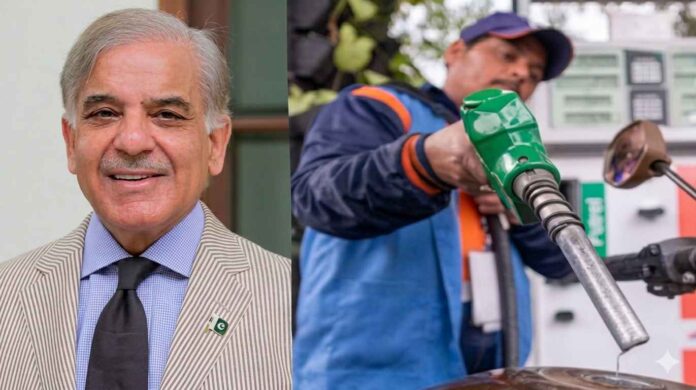

Government Moves Swiftly to Address Fuel Supply Concerns
The federal government has initiated a major investigation into the alleged hoarding of petroleum products by oil marketing companies following widespread panic buying across the country. The situation has raised serious concerns about market manipulation, supply disruption, and the possibility of artificial price inflation during a period of heightened regional uncertainty.
In response, the prime minister has taken decisive action by directing the Federal Investigation Agency to probe the activities of certain oil companies as well as regulatory officials. This move signals a strong commitment by the government to ensure transparency, accountability, and stability in the country’s fuel supply chain.
The investigation comes at a critical time when maintaining uninterrupted access to fuel is essential for economic stability, public confidence, and national security.
Rising Tensions Trigger Panic Buying Across the Country
The current crisis has been fueled by escalating regional tensions involving Iran, which sparked fears of potential supply disruptions. As news of the conflict spread, consumers across Pakistan rushed to fuel stations, leading to a surge in demand and long queues nationwide.
This sudden spike in consumption created pressure on existing fuel stocks, prompting concerns about shortages. While panic buying is often driven by uncertainty, it can also create opportunities for market manipulation if supply is not managed effectively.
The government’s decision to increase petrol and diesel prices earlier was aimed at ensuring continuous supply and discouraging excessive consumption. However, the situation has now taken a more serious turn with allegations that some companies may have exploited the crisis for financial gain.
Allegations of Deliberate Stockpiling and Market Manipulation
Preliminary findings from the investigation suggest that at least one oil marketing company may have deliberately withheld fuel stocks from the market. Such actions, if proven, could indicate an attempt to create artificial shortages in order to justify higher prices and increase profit margins.
Testimonies recorded by investigators have pointed toward the involvement of certain industry players described as engaging in unethical practices. These claims have intensified scrutiny on the oil sector, which plays a vital role in the country’s economy.
Market manipulation through hoarding not only affects fuel availability but also drives inflation, increases transportation costs, and disrupts industrial activity. The implications of such actions extend far beyond the energy sector, impacting the overall economic landscape.
Role of Regulatory Oversight Under Examination
The investigation is not limited to oil companies alone. Authorities are also examining the role of regulatory officials responsible for monitoring the sector. Questions have been raised about whether adequate oversight was exercised to prevent stockpiling and ensure fair distribution of fuel.
Regulatory bodies are expected to maintain strict vigilance over inventory levels, pricing mechanisms, and supply chains. Any lapse in oversight could contribute to market distortions and undermine public trust.
By including regulatory officials in the probe, the government is signaling its intent to address systemic weaknesses and strengthen governance within the energy sector.
Impact on Fuel Prices and Consumer Burden
Fuel prices are a sensitive issue in Pakistan, directly affecting household budgets, transportation costs, and the overall cost of living. Any disruption in supply or manipulation of prices can have immediate and widespread consequences.
The alleged hoarding of fuel during a period of crisis has raised concerns about unfair pricing practices. If companies are found to have intentionally restricted supply, it could explain sudden price pressures and shortages experienced by consumers.
Ensuring fair pricing and consistent availability of fuel is essential for maintaining economic stability. The ongoing investigation aims to identify those responsible and take corrective action to prevent similar incidents in the future.
Regulatory Measures and Financial Implications
The issue of fuel hoarding has also intersected with ongoing discussions بشأن financial mechanisms designed to support oil companies. Authorities have been reviewing a significant payment framework intended to settle outstanding claims related to price differentials.
However, companies found guilty of hoarding may be excluded from receiving these payments. This approach underscores the government’s determination to reward compliance while penalizing unethical behavior.
Such measures are expected to reinforce accountability within the industry and encourage companies to adhere to fair business practices.
Progress of the Investigation and Expected Outcomes
The investigation is reportedly advancing بسرعة, with authorities collecting evidence, recording statements, and analyzing market data. The findings are expected to be presented to the prime minister in the near future.
Depending on the نتائج, the government may اتخاذ إجراءات صارمة against companies and individuals found responsible for hoarding or market manipulation. These actions could include fines, penalties, or other enforcement measures aimed at restoring market integrity.
The outcome of this investigation will play a crucial role in shaping future policies related to fuel management, pricing, and regulatory oversight.
Ensuring Energy Security During Uncertain Times
Energy security remains a top priority for Pakistan, especially during periods of geopolitical uncertainty. Reliable access to fuel is essential for transportation, الصناعة, and essential services.
The recent الأزمة has highlighted vulnerabilities within the supply chain and the need for stronger safeguards against disruptions. By addressing issues such as hoarding and سوء الإدارة, the government aims to build a more resilient energy system.
Investments in infrastructure, improved monitoring mechanisms, and stricter enforcement of regulations will be key to achieving long-term stability.
Restoring Public Confidence in the Fuel Market
Public trust is a critical عنصر in any market, particularly one as essential as fuel supply. Allegations of hoarding and manipulation can erode confidence and lead to further panic buying, creating a vicious cycle.
The government’s proactive approach in launching an investigation sends a clear message that such practices will not be tolerated. Transparency in the التحقيق process and timely communication of findings will be essential in rebuilding trust.
Consumers need assurance that fuel will remain available at fair prices, regardless of external challenges.
Strengthening Accountability and Industry Standards
The current situation presents an opportunity to strengthen accountability across the oil sector. By identifying gaps in oversight and addressing unethical practices, authorities can establish higher standards for the industry.
This may include stricter reporting requirements, enhanced monitoring systems, and more robust penalties for violations. Encouraging ethical conduct and responsible business practices will be essential for sustainable growth.
The involvement of multiple stakeholders, including regulators, companies, and policymakers, will be crucial in implementing effective reforms.
Conclusion: A Critical Moment for Reform in the Energy Sector
The decision to investigate alleged fuel hoarding marks a critical moment for Pakistan’s energy sector. It reflects a broader effort to ensure fairness, transparency, and stability in a market that affects every citizen.
As the investigation progresses, its findings will not only determine accountability but also shape the future of fuel management in the country. The الحكومة’s commitment to addressing these challenges is a positive step toward building a more resilient and trustworthy energy النظام.
By taking decisive action الآن, Pakistan has the opportunity to strengthen its energy security, protect consumers, and create a more transparent and efficient market for the years ahead.
Read More