
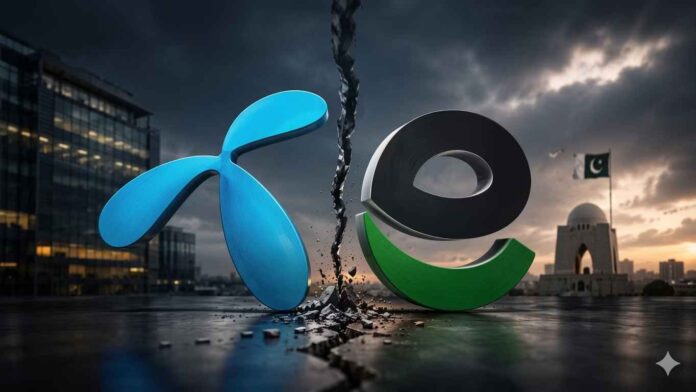

Telenor is reportedly exploring the sale of its controlling stake in Easypaisa Bank, a move that could bring an end to the Norwegian group’s presence in Pakistan after more than 20 years of operations in the country. The potential transaction comes shortly after the company completed its departure from Pakistan’s telecommunications sector, signaling a broader strategic shift aimed at simplifying its business portfolio and focusing on priority markets.
The possible divestment has attracted significant attention from investors, financial analysts, and industry stakeholders due to Easypaisa’s prominent role in Pakistan’s rapidly expanding digital banking ecosystem. If completed, the sale would represent one of the most significant transactions in Pakistan’s fintech and banking sector in recent years.
Telenor Evaluates Strategic Options for Easypaisa
According to reports, Telenor is working with financial advisers to assess strategic alternatives for its majority ownership in Easypaisa Bank. The company currently holds a controlling 55 percent stake in the digital bank, while the remaining ownership is held by a major international technology and financial services investor.
The deliberations remain at an early stage, and the company has not yet made a final decision regarding the future of its investment. Initial discussions are expected to focus on identifying potential buyers who may be interested in acquiring a stake in one of Pakistan’s leading digital financial institutions.
Industry observers believe the transaction could attract strong interest from local banks, international financial institutions, regional fintech companies, and private equity investors seeking exposure to Pakistan’s growing digital finance market.
A Landmark Exit After More Than Two Decades
Telenor entered Pakistan in the mid-2000s and quickly established itself as one of the country’s leading telecommunications operators. Over the years, the company invested heavily in network expansion, customer acquisition, and digital services, helping shape Pakistan’s telecommunications landscape.
The company played a significant role in expanding mobile connectivity across urban and rural regions, contributing to increased internet penetration and digital inclusion. Millions of Pakistanis became connected through mobile services offered by Telenor, making the company a major player in the country’s telecom sector.
However, changing market dynamics, increasing competition, regulatory challenges, and evolving corporate priorities eventually led the company to reconsider its long-term position in Pakistan. The recent sale of its telecommunications business marked a major milestone in that transition.
The potential sale of the Easypaisa stake would effectively complete Telenor’s withdrawal from Pakistan, ending a business journey that lasted more than two decades.
How Easypaisa Became a Digital Finance Giant
Easypaisa began as a mobile money service designed to improve financial inclusion in Pakistan. At a time when a significant portion of the population remained outside the traditional banking system, the platform provided an accessible alternative for transferring money, paying bills, and conducting financial transactions.
Over the years, Easypaisa evolved far beyond its original purpose. It transformed into a comprehensive digital financial platform offering a wide range of services, including:
- Digital wallets
- Money transfers
- Utility bill payments
- Mobile top-ups
- Government payment services
- Merchant payments
- Savings products
- Digital lending solutions
- Insurance services
Its extensive network and user-friendly platform helped it reach millions of customers across Pakistan, including individuals in remote areas who had limited access to conventional banking infrastructure.
Today, Easypaisa is widely recognized as one of the country’s largest digital financial services providers and a key contributor to Pakistan’s financial inclusion goals.
The Growing Importance of Digital Banking in Pakistan
The timing of Telenor’s potential exit coincides with a period of rapid growth in Pakistan’s digital banking and fintech sectors.
Over the past several years, consumer behavior has shifted dramatically toward digital transactions. Increased smartphone penetration, improved internet connectivity, government support for digital payments, and changing customer preferences have accelerated the adoption of online financial services.
Digital wallets and mobile banking platforms have become increasingly important in everyday financial activities. Consumers now use digital platforms for everything from bill payments and online shopping to peer-to-peer transfers and business transactions.
The COVID-19 pandemic further accelerated this trend by encouraging contactless payments and remote financial services. As a result, digital finance has emerged as one of the fastest-growing segments of Pakistan’s financial sector.
Against this backdrop, Easypaisa represents a highly attractive asset with significant growth potential.
Why Investors May Be Interested in Easypaisa
Several factors could make Easypaisa an appealing acquisition target for potential investors.
First, the platform enjoys strong brand recognition and a large customer base. It has established itself as one of the most trusted names in digital financial services in Pakistan.
Second, Pakistan remains a relatively underbanked market. Millions of adults still lack access to traditional banking services, creating substantial opportunities for digital finance providers to expand their reach.
Third, the country’s young population presents significant long-term growth prospects. Younger consumers are generally more receptive to digital solutions and mobile-based financial services.
Fourth, ongoing efforts to digitize payments and improve financial inclusion continue to create favorable conditions for fintech growth.
Potential buyers may view Easypaisa as a strategic asset capable of delivering long-term value as Pakistan’s digital economy continues to evolve.
What the Sale Could Mean for Pakistan’s Financial Sector
If a transaction proceeds, the impact could extend beyond the ownership structure of a single company.
A successful acquisition by a reputable investor could bring fresh capital, technological expertise, and strategic direction to Easypaisa. New ownership may accelerate product innovation, expand service offerings, and enhance customer experience.
The transaction could also signal continued investor interest in Pakistan’s digital economy despite broader economic challenges. A significant investment in a leading fintech platform would demonstrate confidence in the country’s long-term growth potential.
Furthermore, increased competition among digital financial service providers could benefit consumers through improved products, lower transaction costs, and greater innovation.
The sale could also encourage additional investment activity within Pakistan’s banking and fintech sectors as investors seek opportunities in the rapidly expanding digital finance market.
Challenges Facing Pakistan’s Fintech Industry
While growth prospects remain strong, Pakistan’s fintech sector continues to face several challenges.
Regulatory compliance remains a key consideration for digital financial service providers. Companies must navigate evolving regulations related to consumer protection, data security, anti-money laundering requirements, and digital banking operations.
Cybersecurity is another major priority. As digital transactions increase, financial institutions must invest heavily in protecting customer information and preventing fraud.
Infrastructure limitations can also affect service delivery, particularly in rural and underserved areas where internet connectivity may be inconsistent.
Additionally, consumer education remains essential. Expanding digital financial literacy can help increase adoption and encourage greater participation in formal financial systems.
Despite these challenges, industry experts generally remain optimistic about the sector’s long-term trajectory.
Foreign Companies Reassessing Their Presence in Pakistan
The potential Easypaisa sale reflects a broader trend of multinational corporations reassessing their operations in various emerging markets.
Many global companies are reviewing investment portfolios and reallocating resources toward regions that align more closely with their strategic objectives. Such decisions are often influenced by factors including market size, growth prospects, operational efficiencies, and shareholder expectations.
In Pakistan, several international firms have reduced exposure, restructured operations, or exited certain business segments in recent years. However, these moves do not necessarily indicate a lack of confidence in the country itself. In many cases, they reflect broader corporate restructuring initiatives taking place at a global level.
At the same time, new investors continue to explore opportunities in sectors such as technology, financial services, renewable energy, manufacturing, and digital commerce.
What Comes Next
At present, discussions regarding the potential sale remain preliminary. Any transaction would likely involve extensive due diligence, negotiations, regulatory approvals, and strategic evaluations by interested parties.
Potential buyers will carefully assess Easypaisa’s financial performance, customer growth, technological capabilities, regulatory environment, and future expansion opportunities before making binding offers.
Market participants will closely monitor developments over the coming months as Telenor evaluates its options and determines the future of its investment.
Regardless of the outcome, the situation underscores the growing importance of digital financial services within Pakistan’s economy and highlights the increasing value being placed on fintech assets across emerging markets.
Conclusion
Telenor’s consideration of a sale of its controlling stake in Easypaisa marks a potentially significant turning point for both the company and Pakistan’s digital banking sector. If completed, the transaction would conclude the Norwegian group’s long association with Pakistan while opening a new chapter for one of the country’s most influential fintech platforms.
The potential deal arrives at a time when digital finance is gaining momentum, consumer adoption is accelerating, and investors are increasingly recognizing the opportunities within Pakistan’s evolving financial ecosystem.
Whether or not a transaction ultimately materializes, Easypaisa’s growth story remains a powerful example of how digital innovation can transform financial access and reshape the future of banking in emerging economies.
Read More
Court Questions Punjab’s Royalty Collection on Cement Instead of Raw Minerals


