
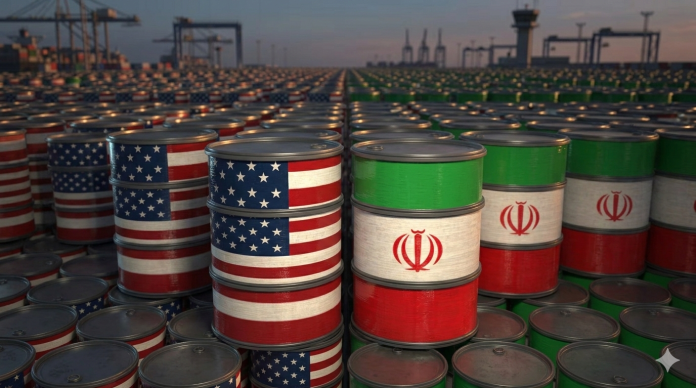

Amid growing uncertainty in global energy markets following recent attacks by the United States and Israel on Iran, the Prime Minister’s Office has constituted a high-level committee to closely monitor petroleum prices and ensure uninterrupted supply across the country. The move comes as escalating tensions in the Middle East raise concerns about potential disruptions in crude oil production and supply routes, which could significantly impact oil-importing nations.
Pakistan relies heavily on imported petroleum products, making it particularly vulnerable to fluctuations in international crude prices. Any sharp rise in global oil rates can quickly translate into higher domestic fuel prices, increased transportation costs, and broader inflationary pressures. In this context, the government’s decision to establish a dedicated oversight body reflects a proactive approach to managing external risks.
Composition of the 18-Member Committee
The newly established 18-member committee will be chaired by Finance Minister Muhammad Aurangzeb. It comprises senior officials and policymakers responsible for overseeing the country’s financial, energy, and economic sectors.
Key members include the Minister for Petroleum, the Minister for the Power Division, and the Minister of State for Finance. The Governor of the State Bank of Pakistan is also part of the committee, ensuring that financial and monetary considerations are integrated into any policy response. In addition, secretaries from relevant federal ministries have been included to provide technical expertise and administrative coordination.
By bringing together representatives from multiple institutions, the government aims to ensure informed decision-making and swift responses to changing global market conditions.
Monitoring Global Oil Market Trends
A primary responsibility of the committee is to track developments in international oil markets on a continuous basis. This includes observing fluctuations in crude oil benchmarks, geopolitical developments in oil-producing regions, and supply chain disruptions that could influence global prices.
The committee will assess how these trends may affect Pakistan’s domestic petroleum pricing structure, import costs, and foreign exchange reserves. Given the sensitivity of oil markets to geopolitical instability, close monitoring is considered essential to prevent unexpected economic shocks.
Ensuring Supply Stability
In addition to price monitoring, the committee has been tasked with evaluating domestic supply conditions. Maintaining adequate petroleum reserves and ensuring smooth distribution across the country are key priorities.
The body will assess demand patterns, review import schedules, and ensure that supply chains remain uninterrupted. By maintaining a stable demand-supply balance, the government aims to prevent shortages, hoarding, or panic-driven price increases during periods of uncertainty.
Policy Measures to Prevent Sudden Price Shocks
Another core function of the committee is to recommend policy measures to cushion consumers from sudden spikes in fuel prices. Global oil price volatility can place additional financial strain on households and businesses, particularly in an already inflationary environment.
The committee may consider adjustments in taxation, pricing mechanisms, or other fiscal tools to minimize the immediate impact of international price increases. At the same time, policymakers will need to balance consumer relief with fiscal sustainability to avoid placing excessive pressure on public finances.
Protecting Consumers and Market Stability
According to the official notification, the committee will formulate strategies aimed at shielding consumers from the adverse effects of global oil price volatility while maintaining stability in the domestic fuel market.
With geopolitical tensions continuing to influence global energy dynamics, the formation of this high-level committee reflects the government’s commitment to safeguarding economic stability. Through coordinated oversight and timely policy interventions, authorities aim to ensure reliable fuel supply and protect the broader economy from external shocks.
Read More
Pakistan’s Petrol, Diesel Prices Jump After Global Market Shock