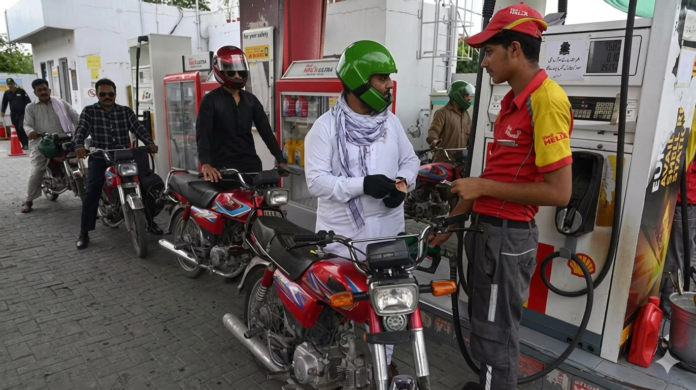

Pakistan Becomes Second Most Expensive Fuel Market After Ethiopia
Pakistan has now emerged as the world’s second most fuel-unaffordable country when measured against income levels, signaling a deepening economic crisis for millions of citizens. The sharp surge in petrol prices has pushed fuel costs far beyond what average earners can sustain, intensifying financial stress across households and businesses. The latest increase has taken petrol prices to an alarming Rs. 458.40 per litre, while diesel has climbed even higher to Rs. 520.35 per litre, marking one of the most significant fuel price shocks in the country’s history.
Rising Fuel Costs and Declining Affordability
The core issue is not just the absolute price of fuel but its relationship with income levels. Affordability depends on how much of a person’s earnings must be spent on essential commodities, and in Pakistan, this balance has been severely disrupted. While fuel prices have surged dramatically, income growth has remained largely stagnant. Salaries have not kept pace with inflation, leaving households struggling to manage even basic expenses. Transportation, once a routine necessity, has now become a costly burden for many families.
Economic Pressures Behind the Price Surge
The government has described the fuel price increase as unavoidable, citing fiscal constraints and the inability to sustain subsidies. With rising debt obligations and limited financial flexibility, policymakers have opted to pass on global price pressures directly to consumers. While this approach may help stabilize the country’s financial position, it has placed a heavy burden on the general public. Fuel subsidies, although beneficial in the short term, often strain national resources, making them difficult to maintain in the long run.
Impact on Daily Life and Business Activity
The surge in fuel prices has had immediate and far-reaching consequences. Transportation costs have risen sharply, affecting commuters, delivery services, and public transport systems. As fuel becomes more expensive, the cost of moving goods increases, leading to higher prices for food and other essential items. Businesses, particularly small and medium enterprises, are struggling to cope with rising operational costs. Many are being forced to increase prices or cut back on operations, which in turn affects employment and economic growth. For households, the situation is equally challenging, as higher fuel costs translate into increased electricity bills, more expensive groceries, and reduced disposable income.
Public Reaction and Growing Concerns
The recent price hikes have sparked widespread concern and debate among citizens. Many people have expressed frustration over the rising cost of living and the lack of corresponding wage increases. A key concern highlighted in public discussions is that the real issue lies in purchasing power. While fuel prices continue to rise, incomes have not kept pace, creating a widening gap between earnings and expenses. This has intensified financial pressure on households and raised questions about long-term economic sustainability.
The Broader Economic Implications
The fuel affordability crisis extends beyond individual households and businesses, affecting the overall economy. High energy costs can slow industrial growth, reduce competitiveness, and discourage investment. Inflation is another major concern, as rising fuel prices contribute to higher costs across multiple sectors. As prices increase, consumer purchasing power declines further, creating a cycle of economic pressure that is difficult to break. Over time, this can lead to increased economic inequality, with lower-income groups bearing the brunt of the impact.
Looking Ahead: Challenges and Possible Solutions
Addressing the fuel affordability crisis requires a comprehensive approach that balances economic realities with public needs. While aligning fuel prices with global markets may be necessary, it must be accompanied by policies that support income growth and protect vulnerable populations. Creating job opportunities, improving wage structures, and investing in alternative energy sources are essential steps toward long-term stability. Enhancing public transportation and promoting energy efficiency can also help reduce dependence on expensive fuel, easing the burden on consumers.
Conclusion
Pakistan’s position as the world’s second most fuel-unaffordable country highlights a critical economic challenge that demands urgent attention. The sharp rise in petrol and diesel prices, combined with stagnant incomes, has created a difficult environment for both households and businesses. The issue goes beyond fuel pricing, reflecting deeper structural challenges within the economy. Without meaningful reforms and targeted support measures, the gap between income and expenses is likely to widen further, making affordability an even greater concern in the future.
Read More
China Seeks Immediate Settlement of $220 Million Energy Dues from Pakistan