
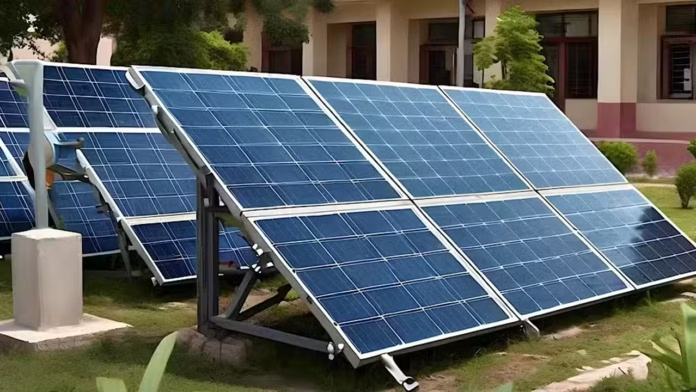
Pakistan is using more solar energy than ever before. In April 2026, electricity generated through net metering reached a record level as more people and businesses relied on solar panels instead of the national power grid. According to data from Arif Habib Limited, based on statistics from National Electric Power Regulatory Authority (NEPRA), the share of electricity coming from net-metered solar systems was the highest ever recorded. It was 117 basis points higher than in April 2025. At the same time, Pakistan’s total electricity generation fell by 9.6% compared to last year. This shows that overall electricity demand remains weak, while more consumers are producing their own power through solar systems. The increase in solar energy has been driven by lower solar panel prices and high electricity bills, encouraging many homes and businesses to install solar panels. Compared with March 2026, net-metered electricity generation jumped by 71.2% in April because longer and sunnier days helped solar systems produce more power. The rapid growth of solar energy is changing Pakistan’s power sector. Consumers are benefiting from lower electricity costs and greater energy independence. However, power companies are worried because many of their biggest customers are buying less electricity from the grid, which could reduce their revenues. Although overall power generation has declined recently, NEPRA expects electricity demand in Pakistan to grow by about 1% during 2026. Regulators and policymakers are closely watching the fast expansion of net metering, which is becoming one of the biggest changes in Pakistan’s energy market. Suggested Title: Pakistan’s Solar Energy Growth Hits Record High as More Consumers Turn to Net Metering

Pakistan is using more solar energy than ever before. In April 2026, electricity generated through net metering reached a record level as more people and businesses relied on solar panels instead of the national power grid.

According to data from Arif Habib Limited, based on statistics from National Electric Power Regulatory Authority (NEPRA), the share of electricity coming from net-metered solar systems was the highest ever recorded. It was 117 basis points higher than in April 2025.

At the same time, Pakistan’s total electricity generation fell by 9.6% compared to last year. This shows that overall electricity demand remains weak, while more consumers are producing their own power through solar systems.

The increase in solar energy has been driven by lower solar panel prices and high electricity bills, encouraging many homes and businesses to install solar panels.

Compared with March 2026, net-metered electricity generation jumped by 71.2% in April because longer and sunnier days helped solar systems produce more power.

The rapid growth of solar energy is changing Pakistan’s power sector. Consumers are benefiting from lower electricity costs and greater energy independence. However, power companies are worried because many of their biggest customers are buying less electricity from the grid, which could reduce their revenues.

Although overall power generation has declined recently, NEPRA expects electricity demand in Pakistan to grow by about 1% during 2026. Regulators and policymakers are closely watching the fast expansion of net metering, which is becoming one of the biggest changes in Pakistan’s energy market.

Suggested Title:
Pakistan’s Solar Energy Growth Hits Record High as More Consumers Turn to Net Metering

spot_img

Related articles

Govt Sets Dollar Rate at Rs. 290 for Budget

The federal government has decided to use an exchange...

Windows 11 Gets Faster and Smarter

Microsoft is expected to start rolling out its June...

ChatGPT Reaches 1 Billion Users

OpenAI’s ChatGPT has reportedly reached 1 billion monthly active...

James Bond Game Earns $150 Million

The new James Bond game, 007 First Light, had...

Xiaomi 18 May Get 2K Display

Xiaomi is expected to launch its new Xiaomi 18...
spot_img