
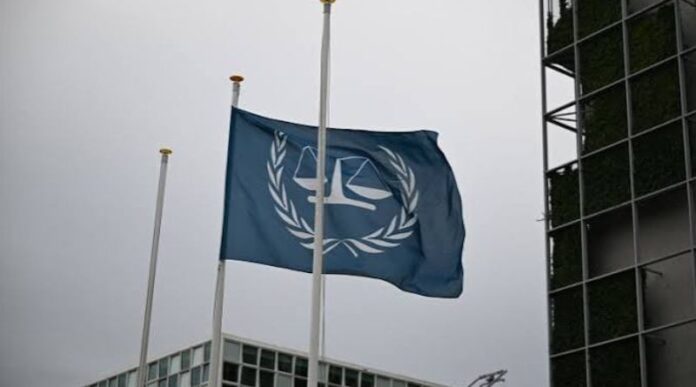

The Trump administration is preparing a major new step against the International Criminal Court (ICC), with the United States reportedly planning sanctions that could target the court as an institution.
The proposed action would go beyond the sanctions already placed on individual ICC judges and prosecutors. If introduced, the measures could restrict financial transactions with the court and make it harder for the ICC to access banking, technology, insurance and other services needed for its daily work.
The move comes after the ICC issued arrest warrants for Israeli Prime Minister Benjamin Netanyahu and former Defence Minister Yoav Gallant over alleged war crimes and crimes against humanity linked to Israel’s military campaign in Gaza.
Washington has strongly opposed the ICC’s actions against Israeli officials. The United States has also objected to the court’s earlier investigation involving alleged crimes by US personnel in Afghanistan.
US Plans Wider Action Against ICC
The Trump administration has already taken several steps against the ICC. However, the planned sanctions would represent a wider move because they could target the court itself instead of only specific officials.
According to reports, the proposed measures could stop most financial transactions involving the ICC after a grace period of around six to seven months.
The restrictions could also affect US citizens and companies that provide services or other support to the court. Depending on the final rules, businesses could need permission from the US Treasury before carrying out certain transactions with the ICC.
The exact timing of the announcement has not been confirmed. Reports suggest that the decision could come during the current United Nations General Assembly meetings in New York or shortly afterwards.
The proposal shows how far the dispute between Washington and the Hague-based court has developed.
Arrest Warrants for Netanyahu and Gallant
The ICC issued arrest warrants for Netanyahu and Gallant on November 21, 2024.
The court said there were reasonable grounds to believe that both men were criminally responsible for alleged crimes connected to the situation in Gaza. The allegations included the war crime of starvation as a method of warfare and crimes against humanity, including murder, persecution and other inhumane acts.
The court also said there were reasonable grounds to believe that the two men carried responsibility as civilian superiors for allegedly directing attacks against civilians.
These were findings by the ICC at the warrant stage and are not final convictions.
Israel rejected the ICC’s authority and disputed the allegations. The United States also rejected the court’s move against Israeli leaders.
The ICC, meanwhile, maintained that it had jurisdiction in the situation involving Palestine. The court had previously ruled that its jurisdiction covered Gaza and the West Bank, including East Jerusalem.
Why the US Opposes the ICC
The United States has never become a member of the International Criminal Court.
The Trump administration argues that the ICC has gone beyond its proper authority by investigating or pursuing officials from countries that are not members of the court, including the United States and Israel.
Washington has also opposed the ICC’s investigation into alleged crimes involving American forces in Afghanistan.
US Secretary of State Marco Rubio has been leading a campaign against the court. In July, he called for greater international pressure on the ICC and urged countries to distance themselves from the tribunal.
The Trump administration has described the court as an institution that has exceeded its mandate and challenged the sovereignty of countries that have not joined it.
The ICC has rejected these criticisms and has defended its work as part of the international legal system.
Sanctions Could Affect Daily Operations
If the proposed sanctions are introduced, the effects could go beyond the court’s legal cases.
The ICC depends on a wide range of services to operate. These include banking services, information technology, insurance, transportation and other commercial support.
Investigators working for the court also need access to equipment, communication systems and other services when carrying out investigations in different countries.
Financial restrictions could make it difficult for the ICC to deal with companies that have links to the US financial system.
This could be especially important because international banks and businesses often take a cautious approach when US sanctions are involved. Even when a company is not directly prohibited from dealing with an organisation, it may avoid transactions that could create a risk of violating American sanctions.
As a result, sanctions could have an impact beyond US companies alone.
Possible Impact on ICC Investigations
The ICC investigates some of the world’s most serious alleged crimes, including genocide, war crimes and crimes against humanity.
The court was established in 2002 to prosecute individuals when national legal systems are unable or unwilling to properly deal with such cases.
Its investigations can require large teams of lawyers, investigators, translators, analysts and other specialists.
Investigations can also take years and often require travel to different countries. Court officials may need to collect documents, interview witnesses, examine evidence and work with local experts.
Any restriction on access to money or commercial services could make these activities more difficult.
The court has previously warned that sanctions against the organisation could interfere with routine activities, including the purchase of information technology and insurance services, hiring investigators and making salary payments.
This means that a financial campaign against the ICC could potentially affect both its public operations and its legal work.
Washington Has Already Sanctioned ICC Officials
The proposed sanctions against the court would come after Washington had already targeted individual ICC officials.
The Trump administration signed an executive order in February 2025 that allowed sanctions against ICC officials.
Since then, several judges and prosecutors have been placed under US sanctions.
In August 2026, the United States also imposed sanctions on ICC President Tomoko Akane and senior trial lawyer Abdoulaye Seye.
The restrictions can freeze assets connected to the US financial system and create serious limits on access to American financial services.
The latest proposal would take the pressure to another level by focusing on the ICC as an organisation.
ICC Defends Its Role
The ICC has continued to defend its independence and legal authority.
The court has said that pressure against judges and prosecutors can affect the broader international legal system.
Its officials have argued that judicial decisions should be made according to law and evidence rather than political pressure.
The court has also maintained that its role is to investigate and prosecute serious crimes when the legal conditions for ICC jurisdiction are met.
The disagreement between the ICC and the United States therefore involves more than one particular case.
It also raises questions about how international courts should deal with powerful countries that are not members of the court.
Israel and the United States Are Not ICC Members
One of the main points in the dispute is that neither the United States nor Israel is a member of the ICC.
The court, however, has said that membership is not the only basis on which it can exercise jurisdiction.
In the Palestine situation, the ICC has relied on Palestine’s acceptance of the Rome Statute and its membership in the treaty. The court has previously ruled that its territorial jurisdiction extends to Gaza and the West Bank, including East Jerusalem.
Israel has challenged this position.
The United States has also objected to the ICC’s approach, particularly when American or Israeli citizens are involved.
This legal disagreement has remained at the centre of the wider dispute.
What the New Sanctions Could Mean
If Washington moves ahead with broad sanctions, the ICC could face additional difficulties in its financial and administrative work.
A major concern would be access to international banking services.
The court operates internationally and needs to work with organisations and businesses in different countries. If companies fear that dealing with the ICC could expose them to US sanctions, some may decide to stop providing services.
This could create delays in areas such as technology purchases, insurance, payments and recruitment.
The possible measures could therefore affect the court even when a specific service provider is not based in the United States.
A Wider Fight Over International Justice
The dispute between Washington and the ICC is part of a larger debate about international justice.
Supporters of the ICC argue that an international court is important because national courts cannot always investigate or prosecute serious crimes, particularly during wars and political conflicts.
Critics, including the Trump administration, argue that the ICC should not exercise authority over nationals of countries that have not accepted its jurisdiction.
These different views have existed for years, but the dispute has become more serious because of the court’s cases involving Israeli and American personnel.
The proposed sanctions could deepen that conflict.
What Happens Next
The final details of the US measures have not yet been publicly confirmed.
Reports indicate that Washington is preparing sanctions against the ICC, but the exact scope, timing and exemptions remain uncertain.
If the sanctions are announced, the court and countries supporting it will have to assess their possible impact on its operations.
The ICC may also seek stronger support from its member states and other international partners.
For now, the proposed measures represent another major development in the long-running dispute between the United States and the international court.
The issue is closely connected to the ICC’s arrest warrants for Netanyahu and Gallant, but it also involves the court’s wider investigations and the question of how far its authority should extend.
As the United States increases pressure on the ICC, the court faces a new challenge to its ability to operate through the international financial system.
The coming weeks could therefore be important for the future relationship between Washington and the ICC, as well as for the court’s ability to continue its investigations around the world.
Read Also: check