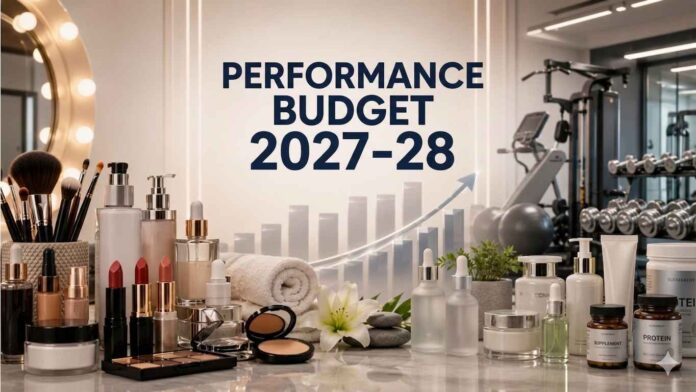

The federal government is considering significant reductions in import duties on a wide range of products used by beauty parlors, skincare clinics, salons, health clubs, gyms, and wellness centers as part of the upcoming federal budget. The proposed measures are aimed at reducing operational costs for businesses operating in the beauty, personal care, wellness, and fitness industries while making essential products and equipment more affordable.
If approved, the proposed tariff reductions could provide substantial relief to thousands of businesses across the country that depend heavily on imported raw materials, skincare products, grooming supplies, fitness machinery, and specialized equipment. Industry stakeholders believe the move could help lower business expenses, improve service quality, encourage investment, and support growth in sectors that have experienced increasing demand in recent years.
The planned changes form part of a broader review of customs duties and import tariffs as policymakers explore ways to stimulate economic activity, support service-sector businesses, and reduce the financial burden associated with importing professional-grade products and equipment.
The proposals are currently under review and are expected to be considered during final budget deliberations.
Government Reviewing Import Duty Structure
Authorities are examining existing customs notifications that govern import duties on a variety of products used by businesses operating in beauty, wellness, and fitness-related sectors.
Under the proposed framework, import duties on selected items could be reduced by an additional 2 percent to 5 percent. While the reductions may appear modest on paper, industry participants argue that even small tariff adjustments can generate meaningful savings when applied to high-volume imports and specialized equipment purchases.
Businesses in these industries often rely on imported products because many advanced beauty, skincare, cosmetic, and fitness-related items are either unavailable locally or do not meet professional standards required by commercial establishments.
As a result, import duties directly influence operating costs, pricing structures, profitability, and investment decisions.
Reducing duties could therefore have a positive impact across multiple segments of the beauty and fitness economy.
Relief Expected for Beauty Parlors and Salons
Beauty parlors represent one of the primary sectors expected to benefit from the proposed tax relief measures.
Modern beauty salons increasingly depend on imported products to meet customer expectations and provide a wide range of professional services. Makeup products, skincare ingredients, hair treatment materials, and specialized cosmetic supplies are often sourced from international markets due to quality considerations and consumer preferences.
According to the proposed framework, import duties on makeup raw materials may be reduced significantly. This could help beauty businesses lower procurement costs while maintaining access to premium-quality products used in makeup applications, bridal services, and professional beauty treatments.
Industry representatives have long argued that high import duties increase operational expenses and ultimately raise costs for consumers. Lower tariffs could improve affordability while enabling salons to invest in higher-quality products and expanded service offerings.
The move is expected to benefit both small neighborhood beauty parlors and larger salon chains operating in urban centers.
Potential Benefits for the Skincare Industry
The skincare sector could also emerge as a major beneficiary of the proposed duty reductions.
Demand for skincare treatments has increased substantially over the past decade as consumers become more conscious of personal wellness, skin health, and preventive care. This trend has fueled growth in skincare clinics, dermatology centers, facial treatment providers, and wellness facilities.
Many skincare products and treatment materials used by professionals are imported due to the specialized nature of the ingredients involved.
The proposed duty reductions could lower the cost of importing creams, lotions, treatment formulations, and other skincare products commonly used in professional procedures.
Lower costs may encourage clinics to expand service offerings, adopt newer treatment technologies, and improve accessibility for consumers seeking professional skincare solutions.
Industry participants believe reduced import duties could accelerate growth within the skincare sector while encouraging investment in modern facilities and advanced treatment options.
Sunscreen and Sunblock Products May Become More Affordable
Among the products being considered for duty relief are sunscreen and sunblock formulations, which have become increasingly important within the beauty and skincare industry.
Growing awareness of sun protection and skin health has significantly increased demand for these products in recent years. Beauty professionals frequently incorporate sun protection products into skincare routines, cosmetic treatments, and post-procedure care plans.
However, imported formulations often carry higher prices due to customs duties and associated import costs.
A reduction in tariffs could make these products more affordable for businesses and consumers alike.
Lower costs may also encourage broader use of preventive skincare products, supporting public awareness regarding skin protection and long-term skin health.
For businesses, reduced import expenses could improve inventory management and expand access to premium formulations that may currently be considered too costly.
Hair Care Treatment Products Included in Proposed Relief
Hair care remains one of the largest segments within the beauty services industry, generating significant demand for imported treatment materials and specialized products.
Professional hair treatments frequently require premium-grade formulations that are sourced from international suppliers. These products include ingredients used in hair repair treatments, conditioning therapies, color applications, scalp treatments, and other specialized services.
The proposed tariff reductions could help salons reduce procurement costs associated with these imported materials.
Lower operating expenses may enable businesses to maintain competitive pricing while continuing to offer advanced hair care solutions.
Industry experts suggest that reduced duties could also encourage greater investment in premium hair treatment services, creating additional revenue opportunities for salon operators.
The resulting improvements in service quality and affordability could contribute to stronger growth across the broader beauty industry.
Men’s Grooming Industry Could Also Benefit
The proposed duty reductions are not limited to traditional beauty salons. Men’s grooming businesses and barber shops are also expected to benefit from the planned measures.
Over the past decade, the men’s grooming industry has experienced significant expansion as consumer preferences shift toward specialized grooming services and premium personal care products.
Professional grooming establishments rely on imported shaving creams, aftershave products, beard care solutions, and other specialized items designed to enhance customer experiences.
Reducing import duties on these products could lower operational costs while allowing businesses to offer a wider range of grooming services.
The men’s grooming segment has become an increasingly important component of the personal care industry, and industry stakeholders believe the proposed measures could support continued growth and innovation.
Lower Duties on Face Washes and Salon Supplies
Face washes, cleansing products, soaps, and various salon-related materials are also expected to receive duty relief under the proposed tariff structure.
These products are essential components of daily salon operations and are used across numerous beauty and skincare treatments.
Although individual products may not appear expensive, the cumulative cost of maintaining adequate inventories can place considerable financial pressure on businesses.
Reducing import duties could generate meaningful savings, particularly for high-volume establishments that purchase large quantities of products each month.
Lower costs may allow businesses to allocate resources toward staff training, facility upgrades, customer experience improvements, and service expansion initiatives.
The changes could therefore contribute to overall industry development while improving profitability for business operators.
Health Clubs and Fitness Centers Set to Gain
The proposed tax relief measures extend beyond beauty and personal care businesses to include health clubs, fitness centers, gyms, and slimming facilities.
The fitness industry has grown rapidly in recent years as public awareness regarding health, wellness, and physical fitness continues to increase.
Modern fitness centers require substantial investments in equipment, machinery, and specialized systems to remain competitive and meet customer expectations.
Many of these products are imported because they incorporate advanced technologies and engineering standards not widely available in domestic markets.
High import duties can significantly increase startup costs and create financial barriers for businesses seeking to expand or modernize facilities.
Reducing tariffs could help lower these barriers and encourage further investment throughout the fitness sector.
Cheaper Gym Equipment Could Encourage Industry Expansion
Fitness equipment represents one of the largest capital expenditures for gym operators.
Commercial treadmills, strength-training machines, exercise bikes, functional training equipment, resistance systems, and rehabilitation devices often require substantial upfront investment.
Under the proposed measures, import duties on machinery, equipment, and related spare parts used by fitness facilities could be reduced significantly.
This change could lower acquisition costs and make it easier for businesses to upgrade existing facilities or establish new locations.
Smaller operators, in particular, may benefit from improved affordability, allowing them to compete more effectively with larger fitness chains.
Industry observers believe that lower equipment costs could stimulate expansion within the fitness industry and improve access to modern exercise facilities across the country.
Impact on Health and Wellness Economy
The proposed tax relief measures could have implications beyond individual businesses.
The beauty, wellness, and fitness industries collectively form a growing segment of the broader service economy. These sectors generate employment opportunities, support entrepreneurship, and contribute to consumer spending.
As operating costs decline, businesses may be able to expand services, hire additional staff, invest in technology, and improve customer experiences.
Such developments could stimulate economic activity while supporting growth in related industries including retail, healthcare, hospitality, and professional services.
The wellness economy has become an increasingly important component of modern economic development, driven by rising consumer interest in personal health, appearance, and quality of life.
Government support through targeted tariff reductions could help accelerate this growth trajectory.
Potential Benefits for Consumers
While the immediate beneficiaries of duty reductions would be businesses, consumers could also experience significant advantages.
Lower import costs may eventually translate into reduced prices for beauty treatments, skincare procedures, salon services, and fitness memberships.
Businesses may be able to offer higher-quality products and equipment without substantially increasing prices, improving overall value for customers.
Consumers could also gain access to a wider range of international products and advanced treatment options that may currently be limited due to high import costs.
Enhanced competition within the industry may further encourage businesses to improve service standards while maintaining competitive pricing.
The result could be a more dynamic marketplace offering greater choice and affordability.
Supporting Service Sector Growth
The beauty and fitness industries represent important components of the service sector, which plays a crucial role in economic development.
Service-sector businesses contribute significantly to employment generation, entrepreneurship, and urban economic activity. Supporting these industries can help diversify economic growth while creating opportunities for small and medium-sized enterprises.
The proposed tariff reductions align with broader efforts to strengthen service-sector competitiveness and encourage investment in emerging industries.
By reducing operational costs and improving access to imported products and equipment, policymakers aim to create an environment that supports business expansion and innovation.
Such measures could help position the beauty, wellness, and fitness sectors for sustained long-term growth.
A Positive Signal for Beauty and Fitness Businesses
The government’s consideration of import duty reductions on beauty products, skincare materials, salon supplies, and fitness equipment represents a potentially significant development for the country’s service-sector economy.
If approved, the proposed measures could reduce business costs, encourage investment, improve affordability, and support expansion across multiple industries.
Beauty parlors, skincare clinics, salons, gyms, health clubs, and wellness centers all stand to benefit from lower import duties on products and equipment that are essential to their operations.
At a time when businesses continue to face rising costs and increasing competition, targeted tax relief could provide much-needed support while promoting growth, innovation, and improved consumer services.
As budget discussions continue, industry stakeholders will be closely watching developments in anticipation of measures that could reshape the economics of the beauty and fitness sectors and contribute to broader economic activity in the years ahead.
Read More
Government Approves Rs. 20 Billion Support Package for Rice Exporters