
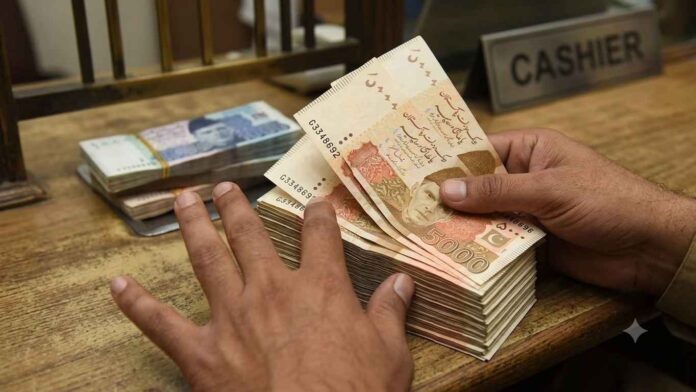

Pakistan’s upcoming federal budget is expected to bring long-awaited tax relief for a significant segment of the salaried class, particularly individuals earning between Rs. 200,000 and Rs. 300,000 per month. The proposed measures come at a time when salaried taxpayers have been facing increasing financial pressure due to inflation, higher living costs, and rising tax burdens.
The government is currently evaluating multiple tax proposals aimed at providing relief to salary earners while maintaining fiscal discipline and meeting revenue targets. However, the scope of these tax reductions appears to be narrower than initially anticipated, with relief largely focused on salaried individuals rather than businesses or broader economic sectors.
As budget preparations enter their final stages, discussions surrounding tax reforms have intensified. Policymakers are attempting to strike a balance between supporting taxpayers and ensuring sufficient revenue generation to fund government operations and development programs.
For hundreds of thousands of salaried individuals across the country, the proposed tax changes could offer meaningful financial relief and help improve disposable income at a time when household budgets remain under strain.
Why Tax Relief for the Salaried Class Has Become a Major Issue
Over the past several years, the salaried class has increasingly emerged as one of the most heavily taxed segments of the economy. Unlike many other sectors where income documentation remains limited, salaried employees are generally taxed at source, making compliance straightforward and unavoidable.
As inflation accelerated and the cost of living increased, many salary earners found themselves paying higher taxes despite facing declining purchasing power. This situation led to growing calls for tax reforms that would reduce the burden on middle-income households and create a more balanced taxation system.
The issue gained further attention as salaried individuals argued that they contribute a disproportionate share of direct tax revenues compared to other segments of the economy. Many taxpayers believe that adjustments to tax slabs and rates are necessary to reflect current economic realities and rising living expenses.
The upcoming budget presents an opportunity for policymakers to address these concerns while maintaining fiscal stability and revenue collection goals.
Proposed Relief Targets Middle-Income Earners
Among the proposals currently under consideration are reductions in income tax rates for individuals earning between Rs. 200,000 and Rs. 300,000 per month.
This income bracket represents a substantial portion of Pakistan’s formal workforce and includes professionals, managers, engineers, doctors, corporate employees, and other skilled workers. The category reportedly covers hundreds of thousands of taxpayers who contribute significantly to government revenues through direct taxation.
Supporters of the proposed relief argue that middle-income earners have been particularly affected by inflation and rising costs. Housing expenses, utility bills, transportation costs, education fees, healthcare expenditures, and daily necessities have all increased considerably in recent years.
As a result, many households have experienced a decline in real purchasing power despite nominal salary increases. Tax reductions could help offset some of these pressures by allowing employees to retain a larger portion of their earnings.
If implemented, the changes could provide meaningful monthly savings for eligible taxpayers and potentially stimulate consumer spending across various sectors of the economy.
Potential Changes to Higher Salary Slabs
In addition to relief for middle-income earners, policymakers are reportedly examining possible revisions to tax structures affecting higher salary brackets.
These proposals may include adjustments to tax thresholds, revisions to marginal tax rates, and modifications designed to improve the overall progressivity of the tax system.
Higher-income salary earners often face significantly elevated tax rates, particularly as incomes move into upper tax brackets. While governments typically rely on progressive taxation to promote equity, excessively high rates can generate concerns regarding competitiveness, compliance, and incentives for professional growth.
Potential adjustments could aim to strike a balance between maintaining revenue collection and ensuring that tax rates remain reasonable and sustainable.
Any changes affecting higher salary slabs would likely be closely scrutinized by both policymakers and taxpayers, given their potential impact on government revenues and income distribution.
Why Businesses May Not Receive Similar Relief
While tax relief for salaried individuals appears increasingly likely, broader tax reductions for businesses and multiple sectors may be more difficult to achieve.
Fiscal constraints remain one of the primary challenges facing policymakers. The government continues to operate within a framework that emphasizes revenue generation, fiscal discipline, and deficit reduction.
As a result, large-scale tax cuts for corporate entities, industries, or other sectors may be viewed as inconsistent with broader fiscal objectives. Policymakers must balance demands for relief against the need to maintain adequate revenue streams and meet budgetary commitments.
The focus on salaried taxpayers reflects an effort to provide targeted assistance while minimizing the overall impact on government finances. By concentrating relief on a specific group, authorities may be able to deliver meaningful benefits without creating substantial fiscal pressures.
This targeted approach also reflects broader concerns regarding revenue sustainability and economic stability.
Impact on Household Finances
Tax relief for salaried individuals could have a significant impact on household finances across the country.
For many families, even modest reductions in monthly tax obligations can translate into meaningful improvements in disposable income. Additional funds may be used for essential expenses, savings, education, healthcare, debt repayment, or consumer purchases.
In an environment characterized by persistent inflation and elevated living costs, increased take-home pay can help households better manage their budgets and improve financial resilience.
Middle-income families, in particular, often face competing financial priorities. Mortgage or rent payments, utility bills, transportation expenses, school fees, and healthcare costs can consume a large share of household income.
Reducing tax burdens may provide some relief from these pressures and improve overall financial well-being.
The psychological impact of tax relief should not be underestimated either. Many taxpayers view lower taxes as recognition of their contribution to the economy and may respond positively to policies that acknowledge their concerns.
Broader Economic Implications
Beyond individual households, tax relief for salaried workers could have broader implications for economic activity.
When consumers retain more of their income, they often increase spending on goods and services. Higher consumer spending can support business revenues, stimulate economic activity, and contribute to growth across multiple sectors.
Retail businesses, service providers, restaurants, transportation companies, educational institutions, and healthcare providers may all benefit indirectly from increased consumer purchasing power.
In addition, improved disposable income could encourage higher savings rates and greater participation in financial markets. Individuals may allocate additional funds toward investments, retirement planning, or other long-term financial goals.
These effects can contribute to economic stability and support broader development objectives.
However, the magnitude of the impact will depend on the size of the relief package and the extent to which taxpayers adjust their spending and saving behavior.
Balancing Relief With Fiscal Discipline
One of the biggest challenges facing policymakers is balancing tax relief with fiscal discipline.
Governments require sufficient revenue to fund public services, infrastructure projects, social programs, debt obligations, and administrative operations. Any reduction in tax revenues must therefore be carefully evaluated to ensure it does not compromise fiscal sustainability.
Pakistan’s fiscal position remains influenced by revenue targets, budget deficits, debt servicing requirements, and broader economic commitments. These factors limit the extent to which large-scale tax reductions can be implemented without corresponding adjustments elsewhere in the budget.
As a result, policymakers are likely to pursue a measured approach that provides targeted relief while preserving overall fiscal stability.
Achieving this balance will be critical to the success of the upcoming budget and its impact on economic confidence.
Corporate Taxation and Other Measures Under Review
In addition to proposals affecting salaried individuals, authorities are reportedly reviewing several other taxation measures.
These include possible adjustments to corporate taxation, revisions to super tax structures, and changes related to dividend withholding taxes.
Corporate taxation remains an important component of government revenue generation. Any modifications must therefore consider both business competitiveness and fiscal requirements.
Similarly, changes to dividend taxation can affect investor behavior, capital market activity, and corporate financing decisions. Policymakers will need to evaluate how such measures interact with broader economic objectives.
While these proposals remain under review, they highlight the complexity of budget preparation and the wide range of considerations involved in designing an effective tax framework.
Final decisions will likely reflect a combination of economic priorities, fiscal constraints, and policy objectives.
Expectations Ahead of the Federal Budget
As the budget announcement approaches, expectations among taxpayers continue to grow.
Salaried individuals have emerged as one of the most vocal groups advocating for tax relief, arguing that rising inflation and increasing living costs justify meaningful reductions in tax burdens.
Many taxpayers hope that the government will not only lower rates but also simplify the tax structure, improve fairness, and create a more predictable fiscal environment.
Businesses, investors, and economic analysts are also closely monitoring budget developments to assess their potential impact on economic growth, investment activity, and consumer confidence.
The final package will be closely scrutinized for its implications on revenue collection, fiscal sustainability, and economic competitiveness.
The Importance of Supporting the Formal Economy
One argument frequently advanced in favor of salaried tax relief is the need to support the formal economy.
Salaried employees represent one of the most documented and compliant segments of the workforce. Their taxes are generally deducted directly through payroll systems, resulting in high levels of compliance and transparency.
Providing relief to this group can be viewed as rewarding compliance and encouraging greater participation in the formal economic system.
A stronger formal sector contributes to improved tax administration, greater economic transparency, and more sustainable public finances over the long term.
By addressing concerns raised by salaried taxpayers, policymakers may also strengthen trust in the tax system and encourage broader compliance across the economy.
Outlook for Taxpayers
The coming budget has the potential to provide meaningful relief for salaried individuals earning up to Rs. 300,000 per month, a group that has faced increasing financial pressure in recent years.
Proposed reductions in income tax rates, adjustments to salary slabs, and possible revisions to tax thresholds could help improve disposable income and ease some of the burden associated with rising living costs.
At the same time, policymakers must navigate complex fiscal realities and ensure that any relief measures remain consistent with broader economic objectives and revenue requirements.
The final outcome will depend on ongoing discussions and policy decisions in the days leading up to the budget announcement. Regardless of the specific measures adopted, the focus on the salaried class reflects growing recognition of the challenges faced by middle-income taxpayers and the importance of supporting this critical segment of the economy.
If implemented effectively, the proposed tax relief package could improve household finances, boost consumer confidence, and contribute positively to economic activity while maintaining fiscal stability. For many salaried individuals, the upcoming budget may therefore represent an important step toward a more balanced and equitable taxation framework.
Read More


